
Wisdom Tooth Extractions in Chattanooga, TN
Most wisdom teeth cause problems eventually, but not all of them, and not on the same timeline. We look at your X-rays with you, explain what we see, and tell you whether it’s time to take them out or whether we can keep watching.

Straight Answers About Wisdom Tooth Removal
Wisdom Tooth Extractions in Chattanooga TN are one of the most common procedures we do, and also one of the most over-prescribed in general dentistry. Dr. Rollings doesn’t recommend removing wisdom teeth on autopilot. If the teeth came in straight, have room, and you can clean them, there’s often a reasonable case for leaving them alone. If they’re impacted, crowding your second molars, or repeatedly getting inflamed, removal makes sense and waiting tends to make the procedure harder.
We see patients for this across Chattanooga, East Ridge, Red Bank, Hixson, Soddy-Daisy, and Signal Mountain. Some are teenagers whose orthodontist or pediatric dentist flagged the wisdom teeth on a panoramic X-ray. Some are adults in their thirties or forties who’ve been told for years they should deal with it and finally have a reason to. Either way, the conversation starts the same: here’s what your panoramic shows, here’s what it means, and here are your options.
If you want a second opinion before saying yes to surgery somewhere else, we’ll give you one. If you want us to do the extractions, we’ll explain how, when, and what recovery actually looks like in plain language, not surgical jargon.
When Wisdom Teeth Need to Come Out and When They Don't
The decision usually comes down to angle, space, and behavior. A wisdom tooth that’s erupted fully, sits upright, has room behind the second molar, and can be brushed and flossed like any other tooth is often fine to keep. A wisdom tooth that’s tilted into the tooth in front of it, partially covered by gum tissue, or trapped under bone is a different story. Those are the ones that develop decay, recurring infections in the gum flap, cysts, or pressure on neighboring teeth.
We use a panoramic X-ray to see the whole arch, the nerve canal, and the position of each wisdom tooth in three dimensions. Then we sit down and look at it together. If you have all four wisdom teeth and only one is causing trouble, we’ll tell you whether we’d remove that one alone or recommend taking them all at once, and why. There are tradeoffs either way, and the right answer depends on your age, the angles, and how close the lower roots are to the inferior alveolar nerve.
There’s also the option to do nothing yet. If a wisdom tooth is fully erupted, clean, and asymptomatic, monitoring it once a year at your regular exam is a legitimate plan. We’ll tell you what we’d watch for and what would change our recommendation.
How the Extraction Itself Works
For a wisdom tooth that has erupted into the mouth and isn’t impacted, the extraction is similar to removing any other molar. We numb the area with local anesthetic, loosen the tooth from its socket, and remove it. Most patients are surprised by how quick it is once the area is fully numb.
Impacted wisdom teeth, especially lower ones angled into bone, take more work. We make a small opening in the gum tissue, sometimes section the tooth into pieces so it can come out without disturbing the surrounding bone, and place a few dissolving stitches afterward. Dr. Rollings completed advanced residency training at the VA, where surgical extractions are part of the daily caseload, so this is familiar territory.
For patients who want help relaxing during the procedure, we discuss sedation options ahead of time so you know what you’re signing up for and how to plan the day. Some patients do fine with local anesthetic alone. Others prefer something more. We’ll talk through what makes sense based on the complexity of your case and how you generally handle dental work.

What Recovery Looks Like After Wisdom Tooth Surgery
The first 24 to 72 hours are the part most people ask about. You’ll have swelling, some soreness, and a need to be careful with the surgical sites so the blood clots stay in place. We send you home with written instructions, not just verbal ones, because nobody remembers everything an hour after surgery. Ice for the first day, soft foods for several days, no straws, no smoking, and no vigorous rinsing until we tell you it’s safe.
Most patients are back to normal eating within a week and back to work or school within two to four days, depending on how many teeth came out and how physical their job is. We schedule a follow-up to check healing and remove any stitches that haven’t dissolved. If anything feels off between visits, you call us, not a hotline. That’s true for any oral surgery we do.
Outc.webpomes vary based on the position of the teeth, your healing response, and how closely you follow the aftercare. Dry socket is the most common complication and we’ll tell you exactly what raises that risk and what to do if it happens. Being honest about the small percentage of cases that have hiccups is part of how we do this.
Paying for Wisdom Tooth Extractions
Wisdom tooth removal is one of the procedures most dental insurance plans actually cover well, especially when the teeth are impacted and the removal is medically indicated. Coverage varies by plan, but a portion of the surgical extraction and any sedation is often included. We accept Medicaid and all major insurance providers, and we’ll verify your benefits before the appointment so you know what to expect.
If cost is part of how you make the decision, say so. We’ll give you a written estimate before we start anything, not after. For the portion you’re responsible for, we offer financing through CareCredit, Cherry, and QuickPay so you can spread the cost out instead of paying it in a single visit. We won’t quote a flat dollar figure on this page because the fee depends on how many teeth, whether they’re impacted, and whether sedation is involved, but we will give you a real number once we’ve seen your X-ray.
Why Timing Matters with Wisdom Teeth
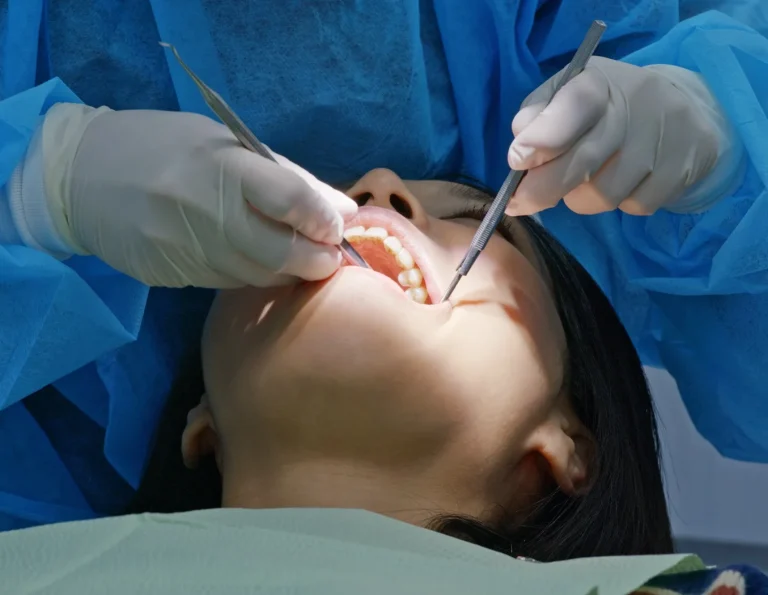
The general rule is that wisdom teeth are easier to remove when the roots are still developing and the surrounding bone is more flexible. That’s usually late teens to early twenties. It’s not a hard cutoff, and plenty of adults in their thirties and forties have their wisdom teeth removed without issue, but recovery tends to be a bit longer and the surgery a bit more involved as the roots fully form and the bone densifies.
If you’re a parent and your teenager’s panoramic shows wisdom teeth starting to crowd, the question isn’t usually whether to act, but when. We’ll tell you whether we’d wait six more months and recheck, or whether the angle and position make the case for scheduling now. The answer is different for different patients and we explain the reasoning either way.
For adults who’ve been putting it off, the wisdom tooth that hasn’t bothered you in ten years can still be worth removing if it’s contributing to decay on the molar in front of it or causing recurring gum inflammation. We look at the whole picture, not just whether something hurts today.
Get a Real Answer About Your Wisdom Teeth
Bring your most recent panoramic X-ray or let us take one in-house. We’ll look at it with you and tell you honestly whether extraction is the right call. Call Wilcox Family Dental to schedule a consultation with Dr. Rollings.