
Sedation Dentistry in Chattanooga, TN
If the idea of a dental procedure is keeping you out of the chair, sedation gives you a way to get the work done without white-knuckling it. Here’s how we use it at Wilcox Family Dental, and how we decide whether you actually need it.

What Sedation Actually Does During a Dental Visit
Sedation Dentistry in Chattanooga TN is one of those phrases that gets used loosely, so it’s worth being specific about what it means here. Sedation is medication that takes the edge off anxiety, helps you sit through longer appointments without tensing up, and in some cases lets you feel like the visit went by faster than it did. It is not general anesthesia. You stay responsive, you breathe on your own, and Dr. Rollings can talk with you during treatment.
We use sedation when it makes the appointment go better for you, not as an upsell. Some patients need it for a single extraction because dental work has always been hard for them. Others want it for longer restorative visits where staying still for an hour is the real obstacle. And some patients never need it at all. We’ll tell you which category you’re in based on what we’re actually doing and how you’ve handled dental care in the past.
Wilcox Family Dental serves patients across Chattanooga, East Ridge, Red Bank, Hixson, Soddy-Daisy, and Signal Mountain. If you’ve been putting off care because of anxiety, that’s a real reason to come in and talk through your options, not a reason to feel like you have to power through.
Types of Sedation We Use and How They Feel Different
There isn’t one sedation. There’s a range, and the right one depends on the procedure, your medical history, and how much help you actually need to get through the appointment comfortably. We’ll walk you through what’s appropriate before we book anything.
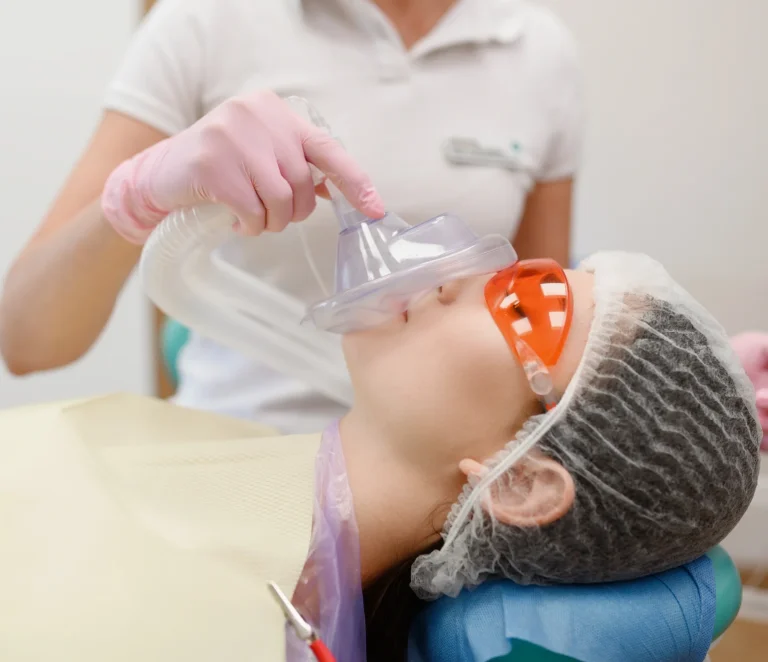
Nitrous oxide is the lightest option. You breathe it through a small nosepiece during the procedure, the effect comes on within minutes, and it wears off almost as quickly once we turn it off. Most patients drive themselves home afterward. It’s a good fit for mild anxiety, longer cleanings, or a filling where you’d just like to feel a little more relaxed than usual.
Oral sedation is a pill taken before your appointment. It works deeper than nitrous: you’ll feel drowsy and detached from the procedure, and many patients remember very little of the visit afterward. You’ll need a ride home, and you should plan a quiet day after. We use this for patients with significant dental anxiety or for longer combined visits where we’re trying to get more done in one sitting.
For procedures that require a deeper level of sedation than we provide in-house, Dr. Rollings will tell you directly and refer you to a provider equipped for that. We’d rather be honest about the limits of what we offer than stretch a visit beyond what’s appropriate.
Who Sedation Dentistry Is Actually For
The clearest candidates are patients with real dental anxiety, the kind that has kept them away from a dentist for years. If you’ve cancelled appointments because you couldn’t make yourself walk in, sedation is often the difference between getting treatment and continuing to wait. We see this pattern often, and there’s no judgment attached to it.
Sedation also helps patients with a strong gag response, difficulty staying numb with local anesthesia alone, or physical conditions that make it hard to sit still or open comfortably for long stretches. For longer restorative work, like combining a few fillings or prepping a crown in the same visit, sedation can make the appointment feel like one event instead of three.
It’s not for everyone. Pregnant patients, certain heart and lung conditions, and some medications change what’s safe. Before we recommend any sedation, we’ll go through your medical history with you and explain why we’re choosing one option over another. If a standard appointment with good local anesthesia is the right call, we’ll say that too.
What a Sedation Appointment at Wilcox Family Dental Looks Like
We start with a consultation, not a sedation appointment. Dr. Rollings reviews your medical history, the procedure you need, and your past experiences with dental care. We’ll use intraoral cameras and digital X-rays to look at what’s going on together, so you understand what we’re treating and why. None of this is for show; it’s how we make sure you and Dr. Rollings are looking at the same thing when you make a decision.
If sedation is appropriate, we’ll give you instructions in plain language: what to eat or avoid before the appointment, what medications to take or pause, whether you need a ride, and how long to plan for recovery. You’ll get a written estimate of the procedure and the sedation costs before we schedule, not after. If cost is part of how you make this decision, say so. We can talk through CareCredit, Cherry, or QuickPay financing before you commit.
On the day of the appointment, we monitor you throughout the visit. For oral sedation, you’ll arrive with your driver, take the medication on our timeline, and be settled before treatment begins. For nitrous, we adjust the level during the procedure based on how you’re feeling. Either way, we check in with you, and you can signal at any point if something needs to change.
What Sedation Costs and How Insurance Handles It
Sedation is usually billed separately from the dental procedure itself. Some insurance plans cover nitrous oxide or oral sedation when it’s medically necessary, particularly for surgical extractions or extended treatment. Many plans don’t cover it for routine work. We’ll verify your benefits before the appointment and tell you what we expect insurance to pay and what’s likely to be out of pocket.
Wilcox Family Dental accepts Medicaid and all major insurance providers. If sedation isn’t covered or only partly covered, we offer financing through CareCredit, Cherry, and QuickPay so you can spread the cost rather than pay it all at once. We’ll give you the full picture in writing before we book the procedure.
If you’re weighing whether sedation is worth it for your situation, ask. We’ll tell you honestly whether we think it’ll meaningfully change your experience, or whether a standard appointment with good local anesthesia will get you through the visit comfortably.

Why Sedation Can Be the Thing That Gets You Back in the Chair
The patients who benefit most from sedation are often the ones who have been avoiding dental care the longest. A small cavity that could have been a filling two years ago becomes a crown or a root canal when it’s left alone. Gum issues progress quietly. Avoidance has a cost, and sedation is one of the tools that breaks the cycle.
Used appropriately, sedation lets us get more done in fewer visits, which matters if taking time off work is hard or if the idea of repeated appointments is what’s stopping you in the first place. Combining treatment under sedation is often easier on the patient than spreading it across three or four visits, especially when anxiety is part of the equation.
If you’ve been waiting, this is a reasonable next step. We’ll look at what you actually need, tell you whether sedation is part of the answer, and give you the option to take it slowly if that’s what works.
Talk Through Your Options with Dr. Rollings
Schedule a consultation at Wilcox Family Dental and we’ll walk through your medical history, the work you need, and whether sedation is the right fit. You’ll leave with a written plan and a clear estimate before anything is booked.