
Oral Surgery in Chattanooga, TN
From a wisdom tooth that’s finally making itself known to a site that needs grafting before an implant, oral surgery covers a wider range of procedures than most people realize. Dr. Rollings explains what’s happening, why it’s recommended, and what your options are before anything gets scheduled.
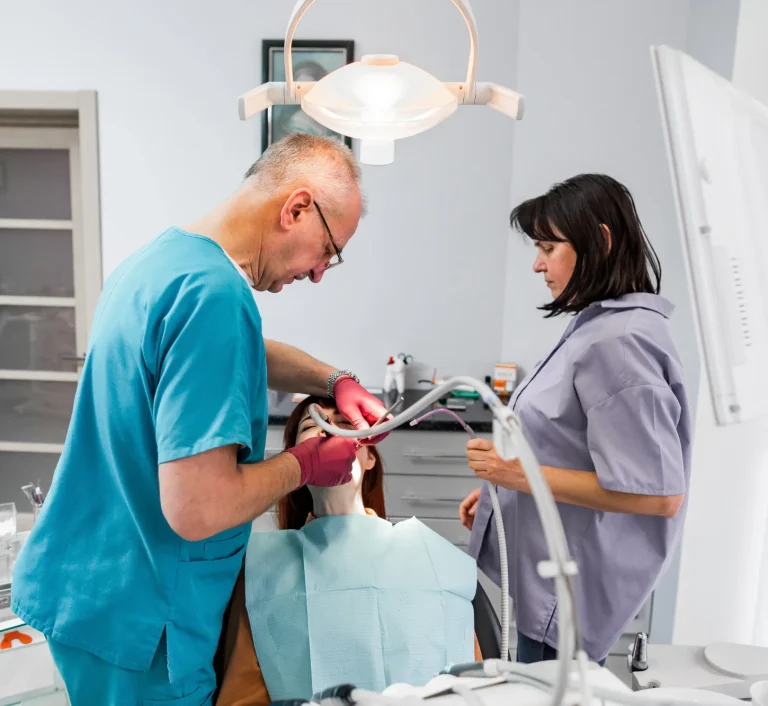
What Oral Surgery Actually Covers at Wilcox Family Dental
When patients hear they need oral surgery in Chattanooga TN, the first reaction is usually some version of “how bad is this?” The honest answer is that most procedures grouped under this heading are routine, well-understood, and predictable. A tooth that can’t be saved. A wisdom tooth that’s pressing on its neighbor. A site that needs a bone graft before an implant can be placed. Each one has a clear reason behind it, and we’ll walk you through ours before you commit to anything.
Dr. Rollings completed his DDS at Meharry Medical College and finished advanced residency training at the VA, where a meaningful portion of the work was surgical. That matters because the same dentist who diagnoses the problem is the one performing the procedure and following up afterward. You’re not getting handed off to a stranger across town to finish what we started.
We see patients from Chattanooga, East Ridge, Red Bank, Hixson, Soddy-Daisy, and Signal Mountain. If you’re not sure whether what you’re dealing with even needs surgery, that’s a fair question to bring to the consultation. Sometimes the answer is yes, sometimes it’s a smaller intervention, and sometimes it’s the option to do nothing yet and watch it.
Which Oral Surgery Procedures We Perform In-House
The most common surgical procedures we handle at our Chattanooga office are tooth extractions, wisdom tooth removal, bone grafting, and PRF therapy. We also offer sedation options when a procedure warrants it or when dental anxiety is part of the picture. Each of these has its own page with more detail, and we’ll point you to the right one during your visit.
Tooth extractions cover everything from a tooth that’s cracked below the gumline to a baby tooth that won’t loosen on its own. Wisdom tooth removal is its own category because the position and angle of the tooth change how we approach it. Bone grafting comes up when the jawbone has thinned (often after a tooth has been missing for a while) and an implant needs a stable foundation. PRF, or platelet-rich fibrin, uses your own blood to support healing at a surgical site.
If your situation falls outside what’s safely handled in a general practice setting, we’ll tell you that directly and refer you to an oral surgeon we trust. We’re not going to take on a case that belongs in a hospital operating room, and we’re not going to send a simple extraction out the door either. The line between the two is something we’ll explain with you looking at the same X-ray we are.
How We Decide Whether a Tooth Comes Out or Gets Saved
Extraction is rarely the first option. If a tooth can be saved with a filling, a crown, or root canal therapy, we’ll lay that out alongside the extraction option and tell you what each one costs, how long it tends to last, and what the recovery looks like. Sometimes saving a tooth is the right call. Sometimes the tooth has already given you everything it’s going to, and dragging out the decision costs more in the long run.
The factors we look at: how much healthy tooth structure is left, whether the root is intact, whether infection has reached the bone, and what the neighboring teeth are doing. We use digital X-rays and an intraoral camera so you can see what we’re seeing instead of taking our word for it. If a crack runs vertically down the root, no crown is going to hold that tooth together, and we’ll show you why on the image.
Wisdom teeth are a slightly different conversation. Some come in straight, function normally, and never cause trouble. Others are angled into the tooth in front of them, partially erupted in a way that traps bacteria, or sitting on a nerve. We’ll tell you which category yours fall into and whether removal now is easier than removal later. Age plays into that, and so does the shape of the roots.

What a Surgical Visit at Our Office Looks Like
Before any procedure, you’ll have a consultation where we review imaging, talk through medical history and medications, and explain the steps in plain language. You’ll get a written estimate before we schedule anything, not after. If sedation is part of the plan, we’ll cover what you can and can’t do beforehand, who needs to drive you home, and what the recovery window typically looks like.
On the day of, we use local anesthetic for almost every procedure, with the option of additional sedation for longer cases or patients who’d rather not be fully alert. The surgical area is isolated, the work is done with appropriate instruments for the specific tooth or site, and we close the site with sutures when needed. Most extractions take less time than patients expect.
Aftercare is where outc.webpomes are actually decided. We send you home with written instructions, not just verbal ones, because nobody remembers everything they heard while their mouth was numb. That includes how to manage swelling, what to eat for the first few days, when to start rinsing, and what signs would mean you should call us. If something feels off afterward, we want the phone call. Healing varies based on the procedure, your overall health, and how closely the aftercare is followed.
Paying for Oral Surgery: Insurance, Medicaid, and Financing
Most dental insurance plans cover a portion of medically necessary oral surgery, including extractions and certain wisdom tooth removals. Coverage for bone grafting and PRF varies more, and elective procedures tied to implants are often handled differently than emergency extractions. We accept Medicaid and all major insurance providers, and we’ll verify your benefits before the procedure so the estimate you see reflects what you’ll actually owe.
If cost is part of how you make decisions about care, say so. We offer financing through CareCredit, Cherry, and QuickPay, which lets you spread payments over time instead of handling everything up front. For larger cases (multiple extractions, grafting, sedation), breaking the cost into monthly payments often makes the difference between getting the problem handled and putting it off another year.

Why Handling Surgical Issues Sooner Tends to Cost Less Later
A tooth that needs to come out doesn’t get easier to remove the longer it sits. Infection can spread to the bone, neighboring teeth can shift into the space, and the jawbone in that area starts to thin once the tooth is gone. Each of those changes makes the next step (whether that’s an implant, a bridge, or a partial denture) more involved and more expensive.
The same logic applies to wisdom teeth that are clearly going to cause problems. Removing them in your twenties is generally simpler than removing them in your forties, when roots are fully formed and bone is denser. We’re not going to push you toward a procedure you don’t need, but we’ll tell you honestly when waiting is going to cost you more in time, money, or comfort.
Get a Straight Answer on What You Need
Bring your X-rays, your questions, or just the tooth that’s been bothering you. We’ll tell you what we see, what it means, and what your options are before anything gets scheduled.