
Full Dentures in Chattanooga, TN
If you’ve lost most or all of your teeth in one arch, full dentures give you back the ability to chew, speak, and smile without working around missing teeth. Dr. Rollings will walk you through how the process works, what it costs, and what to expect at each step before you commit to anything.
What to Know Before Choosing Full Dentures
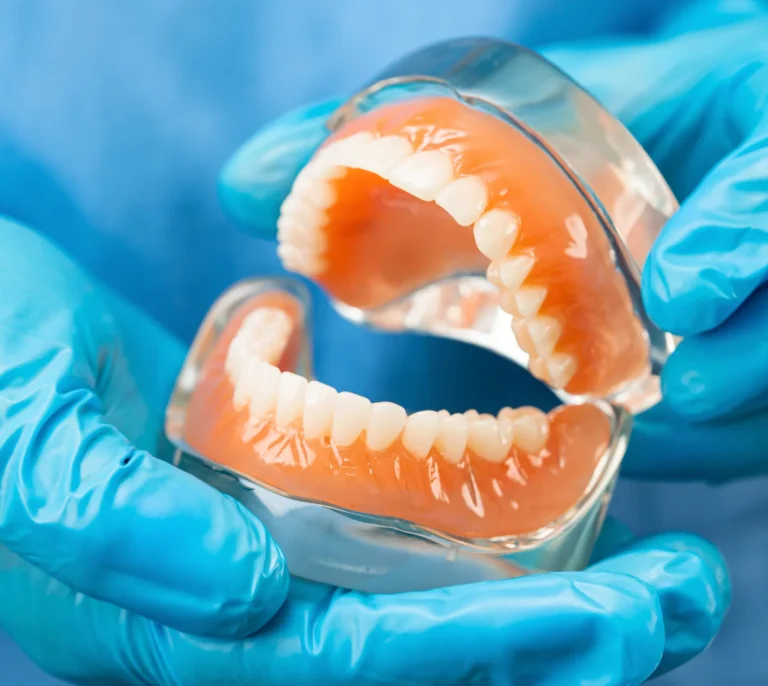
Full dentures in Chattanooga TN are a removable replacement for an entire upper or lower arch of teeth. They sit on your gum tissue, restore the shape of your bite, and give your lips and cheeks the support they lose when teeth are gone. They are not the only option for replacing a full arch, and we’ll be honest with you about that during the consultation.
Most patients who come to us about dentures fall into one of two groups. Some have been wearing an old set for years and the fit has changed because the underlying bone has changed. Others are facing the decision for the first time, usually after years of trying to save teeth that have reached the end of what restorative dentistry can do. Both situations deserve a real conversation, not a sales pitch.
Dr. Rollings earned his DDS from Meharry Medical College and completed advanced residency training at the VA, where full-arch restoration is part of routine practice. That experience matters here because getting dentures right is as much about reading the tissue and the bite as it is about the lab work. We use digital X-rays, a panoramic machine, and intraoral cameras so you can see what we see when we explain your options.
How Full Dentures Are Made and Fitted
A full denture is built in stages, and the time between stages exists for a reason. We start with impressions of your arches, a record of how your upper and lower jaws come together, and measurements that tell the lab how tall your teeth should be and where the midline of your smile sits. Skipping or rushing any of these steps is how patients end up with dentures that look fine on a shelf and feel wrong in the mouth.
From there, the lab builds a wax try-in. You come back, we put it in, and you tell us what you think before anything is finalized in acrylic. This is the step where we adjust tooth shade, tooth length, and the fullness of the lip. Once you sign off, the lab finishes the denture and we deliver it at a follow-up appointment.
If teeth need to be removed first, there are two paths. An immediate denture is placed the same day as the extractions, so you are not without teeth during healing. A conventional denture is made after the gums have healed for several weeks, which usually produces a more precise initial fit but means a period without front teeth. We’ll tell you which path makes sense for your situation and why.
When Full Dentures Are the Right Call (and When They Aren't)
Full dentures are the right answer when an arch has too few healthy teeth left to support a bridge or a partial, when the remaining teeth have a poor long-term prognosis, or when implant-supported options are off the table because of bone loss, medical history, or cost. They are also a reasonable choice when a patient has weighed the alternatives and decided this is what fits their life and budget.
They are not the right answer for everyone. If you still have a solid foundation of healthy teeth on one arch, a partial denture or a combination of crowns and bridges may serve you better. If you want something that does not move at all when you eat, implant-retained options exist, and we’ll explain how those compare in function, maintenance, and investment. We are not going to push you toward a more expensive treatment you don’t need, and we are not going to talk you out of one you do.
It also helps to know that dentures change over time because your jaw changes over time. After teeth are removed, the bone underneath gradually resorbs. That is normal biology, not a flaw in the denture. Most patients need a reline every few years and a new denture every seven to ten, depending on wear and tissue changes.
What's Included When You Get Dentures at Wilcox Family Dental
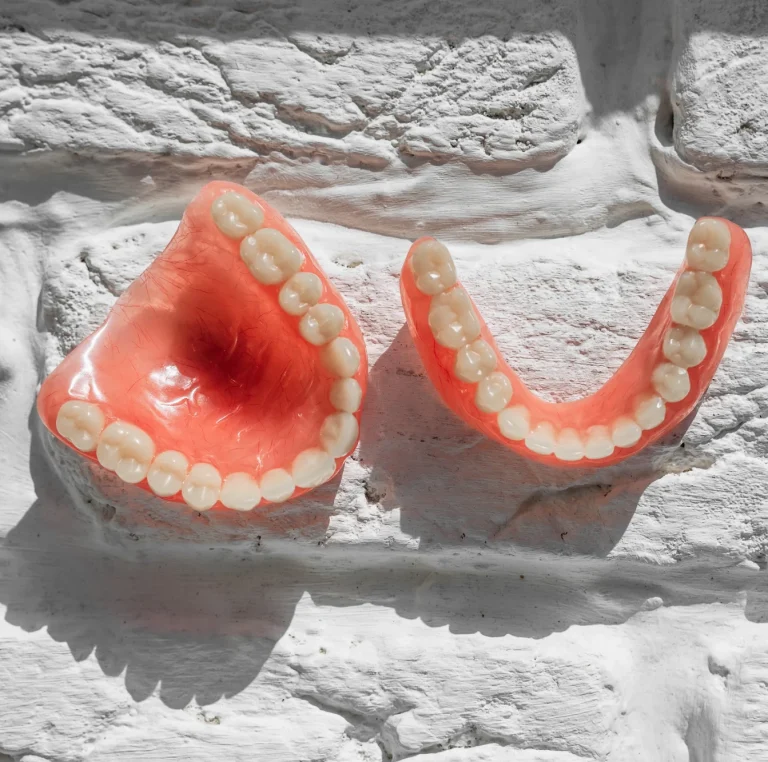
A full denture treatment plan at our office includes the exam and imaging, any necessary extractions, the impressions and bite records, the wax try-in appointment, delivery of the finished denture, and a series of adjustment visits afterward. Adjustments are part of the process, not a sign something went wrong. The mouth needs time to adapt, and small refinements to the fit make a real difference in how the denture feels day to day.
We partner with local labs we’ve worked with for years, which means we can talk directly to the technician building your denture if something needs to change. That’s not a small thing. When the bite is off by a millimeter or the midline is slightly off, having a lab that picks up the phone matters more than any marketing claim about quality.
If extractions are part of your plan, we handle those in-house through our oral surgery service, and we can discuss sedation options if that’s a concern for you. If you need bone grafting to preserve ridge shape for a future implant-supported denture, we’ll explain that during the consultation rather than spring it on you later.
Paying for Full Dentures: Insurance, Medicaid, and Financing
Full dentures are usually covered, at least in part, by dental insurance and by Tennessee Medicaid plans that include adult dental benefits. We accept Medicaid and all major insurance providers, and we’ll verify your coverage before treatment starts so you know what the plan pays and what you owe. You get a written estimate before we begin, not after.
If insurance doesn’t cover the full cost or you’re paying out of pocket, we offer financing through CareCredit, Cherry, and QuickPay. These let you spread payments over months instead of paying the full amount up front. If cost is part of how you make this decision, say so. We’ll tell you what the numbers actually look like and which financing option tends to make the most sense for a treatment of this size.
Living With Full Dentures Day to Day
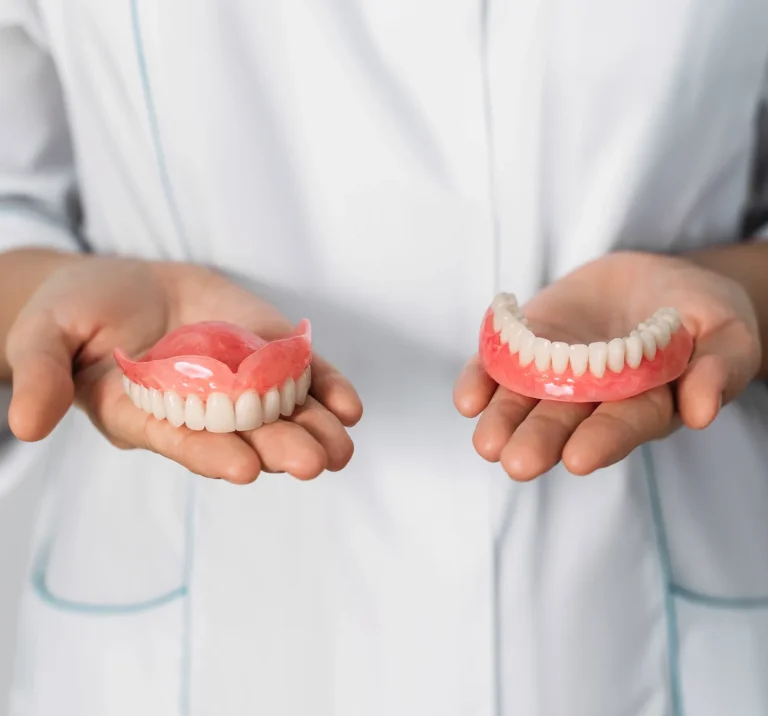
A well-made denture lets you eat most foods, speak clearly, and smile without thinking about it. The first few weeks involve a learning curve. Your tongue and cheeks have to learn the new shape, certain sounds take practice, and some foods feel different at first. This is normal, and it gets better quickly for most people.
Care is straightforward: brush the denture daily with a soft brush and denture cleaner, take it out at night to give your tissues a rest, and keep your regular checkups so we can examine the fit, the tissue underneath, and the rest of your mouth. Oral cancer screening and tissue exams matter just as much when you wear dentures as when you have natural teeth.
If you want to explore other options before committing, we can walk you through partial dentures, crowns and bridges, or a full mouth reconstruction plan that may combine several approaches. The point is that you make the decision with the same information Dr. Rollings has, not less.
Ready to Talk Through Your Options?
Book a consultation at Wilcox Family Dental and we’ll examine your mouth, discuss whether full dentures are the right fit, and give you a written estimate before anything is scheduled. We serve patients across Chattanooga, East Ridge, Red Bank, Hixson, Soddy-Daisy, and Signal Mountain.