
Nightguards in Chattanooga, TN
If you wake up with a sore jaw, a dull headache, or teeth that feel flatter than they used to, a custom nightguard may be the simplest thing standing between you and years of avoidable damage.
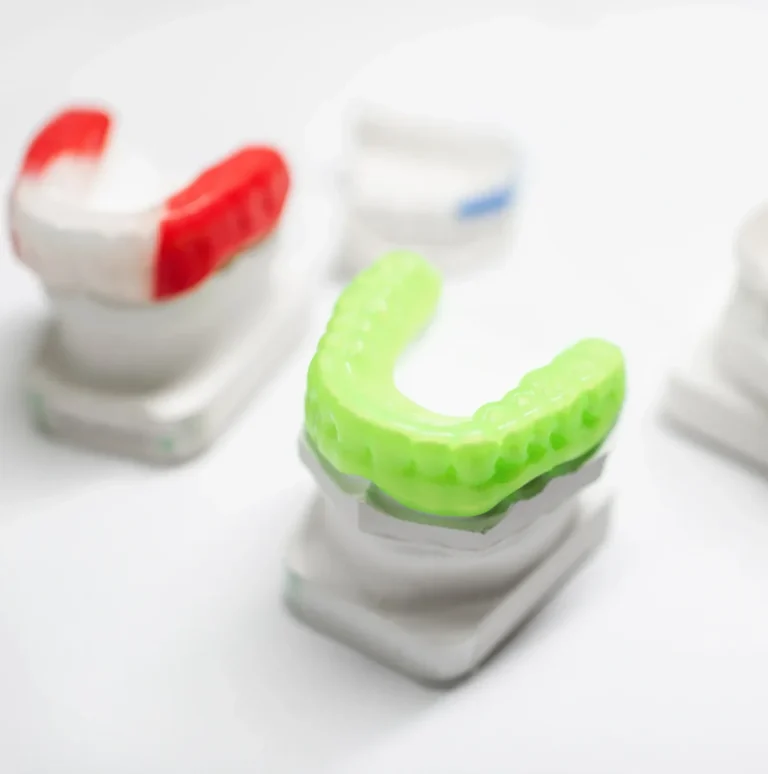
What a Custom Nightguard Actually Does
Most people who ask about nightguards in Chattanooga TN aren’t sure whether they really need one. They’ve been told by a partner that they grind at night, or they’ve noticed their molars look shorter in photos, or their dentist pointed out wear patterns on the chewing surfaces that don’t match their age. A nightguard is a thin, custom-fitted appliance worn while you sleep. It sits between your upper and lower teeth and absorbs the force your jaw muscles generate when you clench or grind.
Grinding and clenching are mostly involuntary. You can’t think your way out of them, and willpower won’t help once you’re asleep. What a nightguard does is redirect that force into a piece of replaceable material instead of into your enamel, your fillings, your crowns, and the joints of your jaw. It doesn’t stop the grinding. It changes what the grinding lands on.
Dr. Joseph Rollings will walk you through what he sees on your teeth, on the intraoral camera, and on your X-rays, and explain whether a nightguard is the right call for what’s happening in your mouth. If something else is driving the pain, like a cracked tooth or a bite issue, he’ll tell you that too.
How a Custom Nightguard Differs from a Drugstore Version
You can buy a boil-and-bite guard at any pharmacy for about twenty dollars. They work for some people in the short term. They also tend to be bulky, loosen up over a few months, and offer no real control over how your bite contacts the guard. If the surface isn’t shaped correctly, you can end up putting more strain on certain teeth or on your jaw joint, not less.
A custom nightguard is made from an impression or digital scan of your teeth and built to fit only your mouth. The thickness is chosen based on how hard you grind. The bite surface is adjusted so the force distributes evenly across your back teeth. It stays put, lasts years instead of months, and is comfortable enough that most patients forget they’re wearing it within a week.
There are also different kinds of guards for different problems. A soft guard works for light grinders. A hard acrylic guard is better for heavy clenchers and for patients with crowns or veneers they want to protect. If your symptoms point toward jaw joint dysfunction rather than pure grinding, a different style of appliance may make more sense, which is something we’d cover at your visit and possibly route through our TMJ Treatment in Chattanooga TN evaluation.
Signs You Might Be Grinding or Clenching at Night
A lot of patients don’t realize they grind until something else tips them off. The most common signs are a sore jaw in the morning, dull headaches that start at the temples, tooth sensitivity that comes and goes, and teeth that look worn flat at the edges. Some people notice a clicking jaw joint. Others crack a tooth on something soft and find out the enamel was already compromised.
Stress is a major driver, but so is sleep apnea, certain medications, and a bite that doesn’t quite line up. That’s why we don’t hand out nightguards based on a complaint alone. We look at the wear pattern on your teeth, check your jaw joint, and ask about your sleep. If your grinding seems connected to a breathing issue at night, we’ll say so and point you toward the right evaluation rather than selling you a guard that treats only the symptom.
If you’ve had restorative work done, a nightguard is often the smartest insurance you can buy for it. Crowns, veneers, and large fillings are all more vulnerable to fracture under grinding force than natural enamel. Patients who’ve invested in Crowns and Bridges in Chattanooga TN or cosmetic work often leave with a nightguard recommendation, not because we’re upselling, but because the math is honest: a guard costs a fraction of replacing a cracked crown.
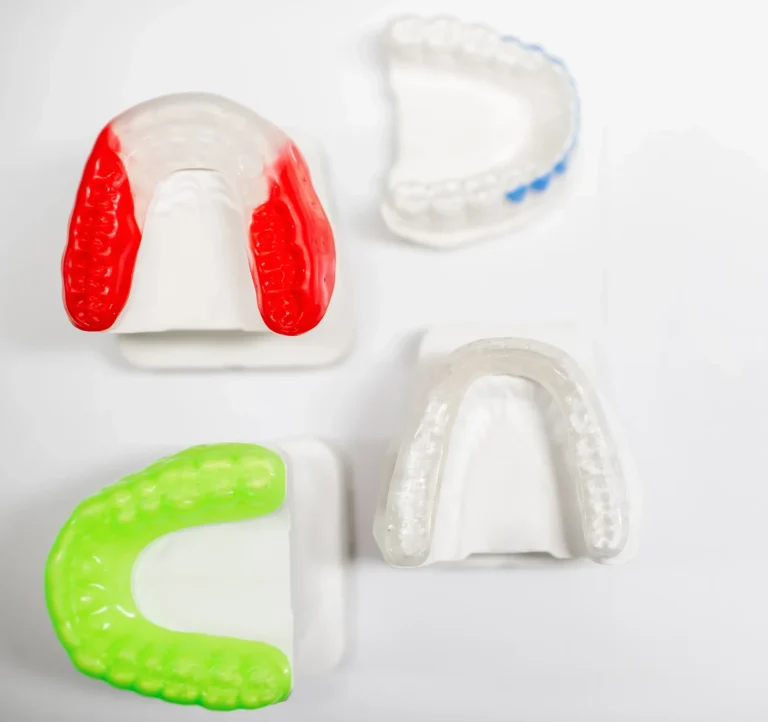
What to Expect When You Get Fitted for a Nightguard
The first visit is a conversation and an exam. Dr. Rollings will ask what you’re noticing, look at your teeth and jaw, and use the intraoral camera so you can see the same wear patterns he’s seeing. If a nightguard makes sense, we’ll take a digital scan or a traditional impression of your upper and lower teeth and send it to one of our partner labs.
About two weeks later, you come back for the fitting. The guard should seat firmly without rocking, and your bite should feel evenly distributed across the back teeth. We’ll make small adjustments right there in the chair until it’s right. You’ll wear it home that night and follow up if anything feels off after a few days of use.
Care is straightforward. Rinse it in the morning, brush it gently with a soft toothbrush (no toothpaste, which is abrasive), and store it dry in its case. A well-made guard lasts three to five years for most patients, longer if you’re a lighter grinder. We’ll check it at every cleaning and let you know when it’s time to replace it.
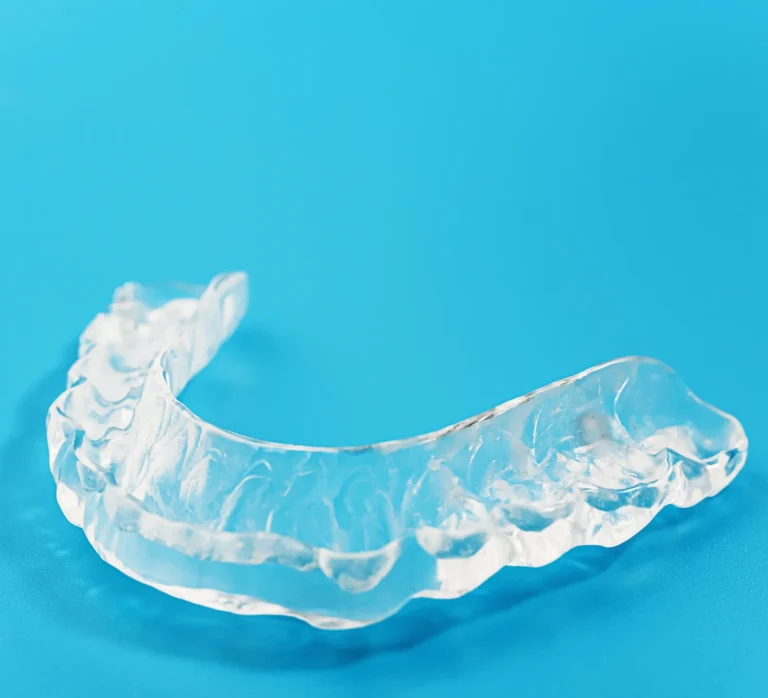
Why a Nightguard Is Worth Considering Before the Damage Adds Up
Grinding damage is cumulative and quiet. You don’t notice the enamel thinning month to month, and by the time a tooth cracks or a filling fails, you’re already in restorative territory. A nightguard is one of the few dental investments that’s almost entirely preventive: it costs less than a single crown and can spare you several over the course of a decade.
For patients who’ve already had work done, the calculation is even simpler. Protecting existing restorations with a guard is significantly cheaper than redoing them. For patients with healthy teeth and early wear, a guard buys you time and keeps your bite from shifting in ways that are harder to correct later.
We see patients from across Chattanooga, East Ridge, Red Bank, Hixson, Soddy-Daisy, and Signal Mountain who came in for one thing and learned grinding was quietly behind it. If that’s you, we’ll tell you plainly what we see and what your options are, including the option to wait and watch if the wear is mild. You can also read more about our broader approach to Family Dentistry in Chattanooga TN or get an overall sense of the practice from our main Dentist in Chattanooga TN page.
Talk to Dr. Rollings About a Nightguard
If you’re waking up sore or noticing wear on your teeth, book a visit and we’ll look at it together. You’ll leave knowing whether a nightguard makes sense and what it would cost before anything starts.