
Root Canal Therapy in Chattanooga, TN
When the nerve inside a tooth becomes infected or inflamed, a root canal is usually the difference between keeping that tooth and losing it. We’ll show you what we see and walk you through your actual options before we recommend anything.
What a Root Canal Actually Is, in Plain Language
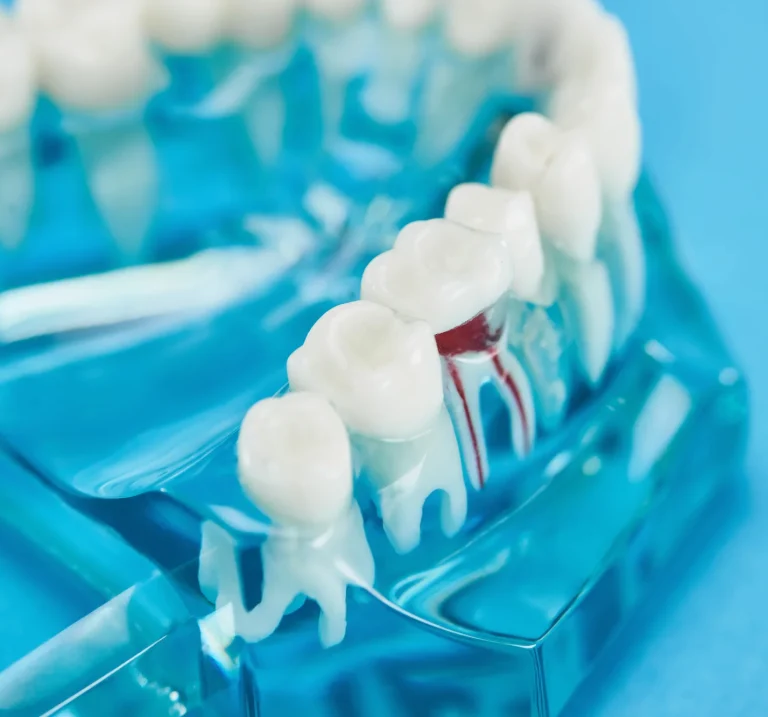
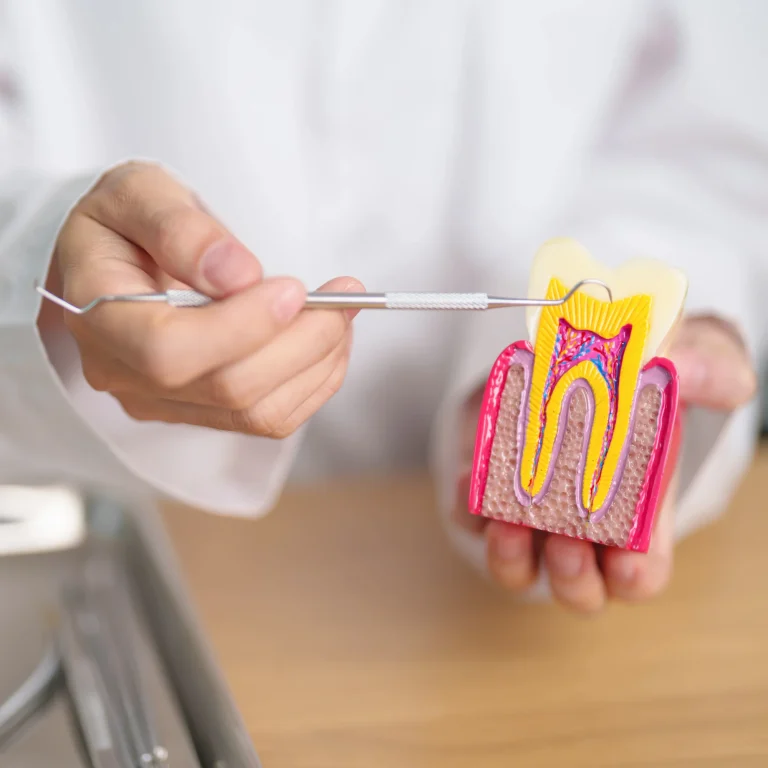
Root Canal Therapy in Chattanooga TN gets a worse reputation than it deserves. The procedure itself is how we save a tooth that would otherwise need to be pulled. Inside every tooth there’s a small chamber of soft tissue (the pulp) that holds nerves and blood vessels. When decay reaches that chamber, or when a crack lets bacteria in, the pulp becomes infected. That’s where the pain comes from, and that’s what a root canal addresses.
Dr. Joseph Rollings treats the procedure as restorative work, not a last resort dressed up in scary language. We remove the infected tissue, clean and shape the inside of the tooth, seal it, and then protect it with a crown or filling so it can keep doing its job for years. Most patients tell us the appointment felt closer to a long filling than the experience they were bracing for.
If you’re reading this because something hurts right now, call us. We keep room in the schedule to work people in, and we’d rather see you sooner than have you wait it out at home.
How We Diagnose Whether a Tooth Actually Needs a Root Canal
Not every painful tooth needs root canal therapy. Sometimes the issue is a deep cavity that a filling can handle, or a cracked cusp that needs a crown, or even gum inflammation that mimics tooth pain. So we start with diagnosis, not a recommendation.
That usually means a digital X-ray, an intraoral camera image of the tooth in question, and some simple tests: tapping the tooth, checking how it responds to cold, sometimes a bite test. We’ll pull up the images on the monitor and look at them together. If there’s a dark area at the root tip, we’ll point to it. If the nerve has been irritated long enough that it can’t recover, we’ll explain how we know.
If the diagnosis is clear, we tell you. If it’s borderline, we tell you that too, and we lay out what waiting looks like versus treating it now. There’s almost always an option to do nothing yet, and we’ll be honest about what that path tends to look like over the next six to twelve months.
What Happens During Root Canal Treatment, Step by Step
The appointment starts the same way a filling does: a local anesthetic to numb the tooth and the surrounding area. We wait until you’re fully numb before we begin, and we check in with you throughout. If you’re someone who runs anxious about dental work, tell us at scheduling so we can plan the visit accordingly.
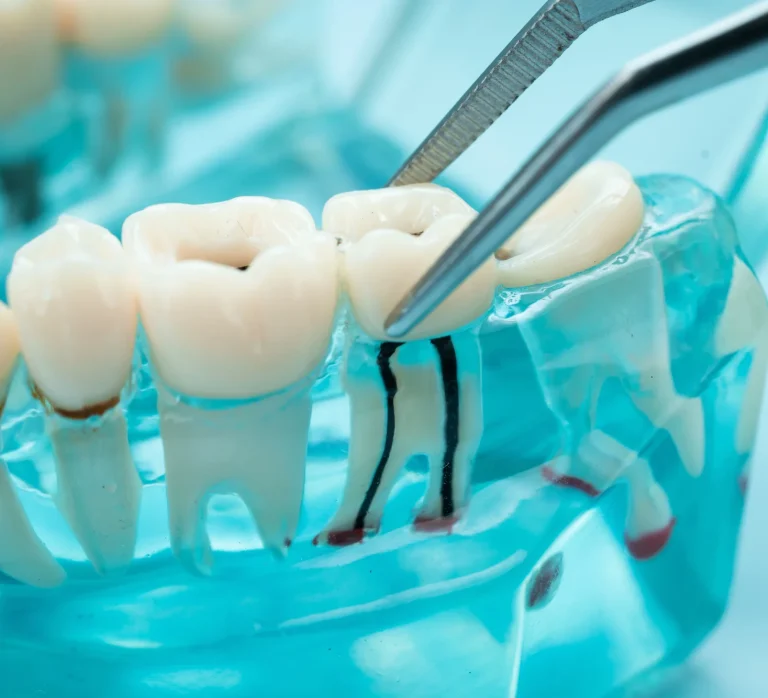
Once you’re numb, Dr. Rollings makes a small opening in the top of the tooth to reach the pulp chamber. The infected tissue is removed, and the narrow canals inside each root are cleaned out and shaped with fine instruments. We rinse the canals to clear out bacteria, then fill them with a biocompatible material that seals the space so reinfection has nowhere to take hold.
Most single-root teeth (front teeth) take one visit. Molars have more canals and sometimes need a second appointment. Either way, we’ll close the access opening with a temporary filling and talk through next steps before you leave the chair. You’ll go home with clear instructions and a direct number to call if anything feels off.
Restoring the Tooth After the Root Canal Is Finished
A root canal cleans out the inside of the tooth, but it doesn’t rebuild the outside. After the canal work is done, the tooth needs a permanent restoration so it can handle chewing pressure without fracturing. For most back teeth, that means a crown. For front teeth with smaller access points, a filling is often enough.
We coordinate with leading local labs for crown work, and we use digital impressions and our in-house panoramic imaging to make sure the fit is right. If you’d like to read more about that side of the work, our pages on crowns and bridges and dental fillings cover what those restorations look like in practice.
Skipping the final restoration is the most common reason a root-canal-treated tooth fails later. We’ll tell you that at the first appointment, schedule the follow-up before you leave, and explain what your specific tooth needs and why.
Insurance, Medicaid, and Paying for a Root Canal
Root canal therapy is generally covered by dental insurance as a major restorative service, though coverage levels vary. We accept Medicaid and all major insurance providers, and we’ll run your benefits before treatment so you know what your plan covers and what your portion is likely to be. You’ll get a written estimate before we start, not after.
If cost is part of how you’re deciding when to treat the tooth, say so. We offer financing through CareCredit, Cherry, and QuickPay, and we can usually find a way to spread the cost so the treatment fits your month. A root canal plus a crown is real money, and we’d rather talk about that openly than have you put off care because the number felt vague.
If extraction ends up being the better call for your situation (sometimes it is), we’ll tell you that too. You can read about that path on our pages for tooth extractions and oral surgery.
Why Saving the Natural Tooth Is Usually Worth It
Your own tooth, root and all, is still the best tooth for the job. It’s already anchored in bone, already shaped for your bite, and already in conversation with the teeth next to it. A root canal lets you keep that, often for decades, with normal brushing and regular checkups.
The alternative (extraction followed by an implant, bridge, or partial denture) is good dentistry when it’s the right call, but it’s more involved, more expensive, and takes longer. When a root canal will work, it’s almost always the more conservative choice. Outc.webpomes vary based on the condition of the tooth, the quality of the final restoration, and how the tooth is cared for after treatment, and we’ll give you our honest read on all three before you commit.
We see patients from across Chattanooga, East Ridge, Red Bank, Hixson, Soddy-Daisy, and Signal Mountain, and a fair number of the root canals we do are on teeth other offices had already written off. It’s worth a second look.
Think You Might Need a Root Canal? Let's Take a Look.
Call Wilcox Family Dental and we’ll get you in for a diagnostic visit, often the same week. We’ll show you the images, explain what we see, and lay out your options before any treatment begins.