
Periodontics in Chattanooga, TN
Gum disease is common, treatable, and often quieter than patients expect until it isn’t. We’ll show you what we see on the X-rays and intraoral camera, explain what it means, and walk you through your options before any treatment begins.

What Periodontics Actually Covers
Periodontics in Chattanooga TN refers to the care of the tissues that hold your teeth in place: the gums, the periodontal ligament, and the bone underneath. At Wilcox Family Dental, this is part of how Dr. Joseph Rollings approaches general and restorative care, because almost every long-term outc.webpome (whether a filling lasts, whether an implant integrates, whether a crown stays seated) depends on what the gums and bone are doing.
Most people associate gum care with a deeper cleaning, and that’s part of it. But periodontics also includes ongoing maintenance, surgical treatment when the disease has progressed, and the daily decisions about home care that determine whether things get better or worse between visits. We treat it as a category of care, not a single appointment.
If you’ve been told you have gum disease, or you’ve noticed bleeding when you brush, persistent bad breath, or teeth that feel like they’ve shifted, those are reasons to come in. We’ll measure, photograph, and document what’s happening, then sit down with you and explain it in plain language.
How We Diagnose and Stage Gum Disease
Diagnosis starts with measurement. A small probe is used at six points around each tooth to record the depth of the space between the gum and the tooth. Healthy numbers run 1 to 3 millimeters. Once those pockets start measuring 4, 5, or deeper, the bone and ligament underneath are no longer fully attached, and bacteria can live in places a toothbrush can’t reach.
We pair those measurements with digital X-rays, which show how much bone is still present around each root, and with intraoral camera images so you can see the inflammation, tartar, or recession we’re looking at. None of this is for show. It’s how we make sure you and Dr. Rollings are looking at the same thing when you make a decision about treatment.
From there we stage the disease. Gingivitis is the early, reversible form: inflamed gums without bone loss. Periodontitis is the chronic form where bone has already been lost and the goal shifts to stopping the progression and stabilizing what’s there. The stage drives the recommendation, and we’ll tell you which one you have and why.
Treatment Options From Scaling to Gum Surgery
For mild cases, a thorough cleaning above the gumline and an honest conversation about home care is often enough to bring things back to baseline. For moderate cases with pockets in the 4 to 6 millimeter range, the usual starting point is scaling and root planing, sometimes called a deep cleaning, which removes hardened deposits from below the gumline and smooths the root surfaces so the tissue can reattach.
When pockets are deeper, or when bone loss is advanced and the area can’t be reached or cleaned predictably, gum surgery may be the right call. That can mean access flap surgery to clean the roots directly, grafting to rebuild lost tissue, or contouring to make the area maintainable long term. We refer out for procedures that fall outside what we do in-house, and we’ll tell you straight if that’s the case.
After active treatment, the focus shifts to periodontal maintenance: cleanings on a tighter schedule (usually every three to four months) that keep bacteria from re-colonizing the pockets. This is not the same as a standard six-month cleaning, and we’ll explain why your interval changes once you’ve been treated for periodontitis.
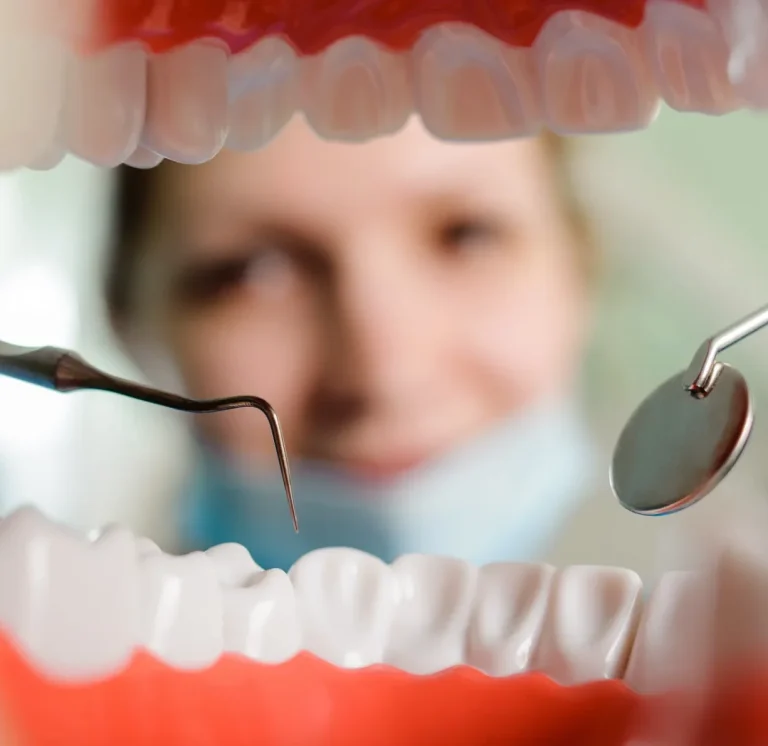
What's Included in Periodontal Care at Wilcox Family Dental
Every periodontal visit starts with re-measuring the pockets and comparing them to your prior chart. That’s how we know whether treatment is working or whether something needs to change. We use digital X-rays selectively, not reflexively, and we share the images on a screen so you can see what we’re describing.
Treatment itself is done with local anesthetic when needed so the visit is comfortable, and we adjust the pace based on how you’re tolerating it. If you’re anxious about the work, tell us. We’d rather slow down or break a treatment plan into shorter visits than push through something that’s making you dread coming back.
We also talk through home care in specific terms: which interdental brush size fits your spaces, whether a water flosser would actually help in your case, and what to look for between visits. Generic instructions don’t change behavior. Specific ones, tied to what we just saw in your mouth, sometimes do.
Insurance, Medicaid, and Paying for Periodontal Treatment
Periodontal treatment is usually covered at least in part by dental insurance, including Medicaid in Tennessee, though the specifics vary by plan. We accept Medicaid and all major insurance providers, and our front desk will verify your benefits before treatment so you know what your portion is expected to be. If cost is part of how you make decisions about care, say so. We’ll give you a written estimate before we start anything, not after.
For patients without coverage, or for treatment that exceeds annual maximums, we offer flexible payment options through CareCredit, Cherry, and QuickPay. We’ll walk you through which one tends to fit which situation, and we won’t push financing on you if paying directly makes more sense.
We treat periodontal disease as a long game. If staging the work over two or three appointments makes the cost more manageable, that’s a real option, and we’ll tell you what happens clinically if you delay versus what happens if you proceed.
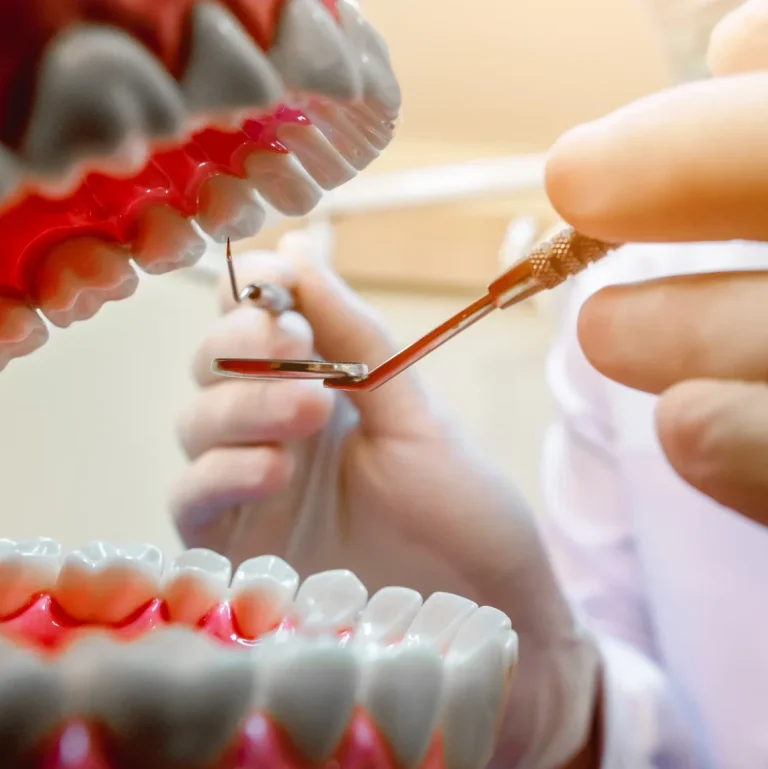
Why Treating Gum Disease Early Protects the Rest of Your Care
Bone that’s lost to periodontal disease doesn’t grow back on its own. Catching the disease while it’s still in the gingivitis stage, or stopping it before pockets get deep enough to threaten the roots, is the difference between maintenance for life and more involved work later: extractions, implants, or full mouth reconstruction in advanced cases.
There’s also a practical connection to the rest of your dental care. Crowns and bridges, fillings, and Invisalign all assume a stable foundation. If the gums and bone aren’t healthy, restorations fail sooner and orthodontic results don’t hold. We’d rather address the foundation first, even when a patient came in asking about something cosmetic.
We serve families across Chattanooga, East Ridge, Red Bank, Hixson, Soddy-Daisy, and Signal Mountain. Whether you’ve just been told you have gum disease at another office and want a second opinion, or you’ve been putting off a deep cleaning for a while, we’ll start with what’s actually going on and work forward from there.
Get a Straight Answer About Your Gums
Schedule an evaluation with Dr. Rollings and we’ll measure, show you the X-rays and camera images, and explain exactly where things stand and what your options are.