
Restorative Dentistry in Chattanooga, TN
When a tooth cracks, a filling fails, or a crown falls off the night before a trip, you need a dentist who can tell you what’s actually going on and what your real options are. That’s the work we do every week at Wilcox Family Dental.
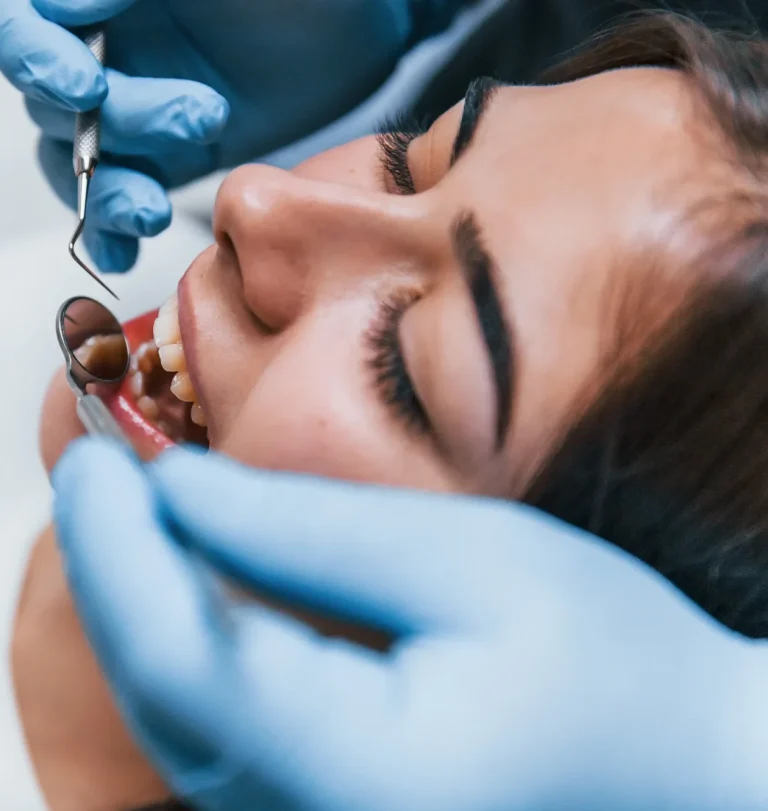
How We Approach Restorative Dentistry in Chattanooga TN
Restorative Dentistry in Chattanooga TN covers everything we do to repair a tooth that’s broken, decayed, worn down, missing, or causing pain. That includes fillings, crowns, bridges, inlays and onlays, root canal therapy, partial and full dentures, and TMJ care. Different problems, same starting point: figure out what’s happening, explain it to you in plain language, and lay out the options before anyone picks up an instrument.
Dr. Joseph Rollings earned his DDS from Meharry Medical College and completed advanced residency training at the VA, with a focus on restorative and general dentistry. That training shows up in how he sequences treatment. A cracked molar with a deep filling and some sensitivity is not the same situation as a cracked molar with a healthy nerve and minimal decay, and the right answer is rarely the same twice.
We serve patients across Chattanooga, East Ridge, Red Bank, Hixson, Soddy-Daisy, and Signal Mountain. Many people come to us because another office quoted a long treatment plan without explaining the reasoning. We’ll show you the intraoral camera image, the digital X-ray, and walk you through what we see, what it means, and what your options are, including the option to do nothing yet if that’s clinically reasonable.
What Counts as Restorative Work and What Doesn't
Restorative dentistry is the category of treatment that returns a tooth to function. If a tooth hurts when you chew, if a filling has cracked out, if a back molar broke on something hard, or if you’re missing teeth and your bite has shifted, that’s restorative territory. Cosmetic dentistry (veneers, whitening, bonding done purely for appearance) is a different conversation, although the two often overlap when a front tooth needs both structural repair and a natural-looking finish.
The common procedures we handle in-house include composite fillings, single-tooth crowns, multi-unit bridges, inlays and onlays for teeth too damaged for a filling but too healthy for a full crown, root canal therapy when a nerve is involved, and partial or full dentures when teeth need to be replaced. For more advanced cases involving missing teeth and bone loss, we coordinate with our oral surgery side of the practice.
What we won’t do is talk you into the most expensive option without explaining why. If a watch-and-wait approach is reasonable, we’ll say so. If a small filling now will likely become a crown in three years either way, we’ll tell you that too, and let you decide which conversation you’d rather have.
How We Diagnose a Failing or Damaged Tooth
Every restorative visit starts the same way: we look at the tooth on a digital X-ray, take an intraoral camera image so you can see what we’re seeing on the screen, and check the bite and the surrounding gum tissue. Then we talk. Sometimes a tooth that looks fine on the surface has a vertical crack running into the root, and the camera image is the fastest way to show you why a filling won’t hold.
We use our in-house panoramic machine for cases that need a broader view: impacted teeth, sinus involvement, jaw joint questions, or planning for extractions and replacements. None of this is for show. It’s how we make sure you and Dr. Rollings are looking at the same thing when you decide what to do next.
If cost is part of how you make decisions about care, say so at this stage. We’ll give you a written estimate before we start anything, not after. And if the estimate is higher than what you can do this month, we’ll tell you which piece of the plan is urgent and which piece can wait without making the problem worse.

What's Included When We Restore a Tooth
A typical restorative appointment includes the diagnostic work (X-rays, camera images, exam), local anesthesia where needed, the actual procedure, and a check of your bite before you leave. For fillings and many inlays or onlays, that happens in one visit. For crowns and bridges, we partner with leading local labs, which means a prep appointment followed by a fitting once the lab work comes back. We’ll explain the timeline up front so you’re not guessing.
Root canal therapy follows its own sequence: clearing the infected nerve tissue, sealing the canal, and protecting the tooth afterward, usually with a crown. We handle straightforward cases in-house and refer the complex ones when that’s the better call for you. For tooth replacement, we’ll walk through bridges, partial dentures, and full dentures as separate options with different tradeoffs in cost, longevity, and how they feel day to day.
Aftercare is part of the visit, not an afterthought. We’ll tell you what to expect for the next 24 to 48 hours, what’s normal soreness versus what’s worth a phone call, and when to come back. If something doesn’t feel right a week later, we want to know. A high spot on a new crown is a five-minute adjustment, not something you should live with.
Insurance, Medicaid, and Payment or Restorative Care
We accept Medicaid and all major insurance providers. Coverage for restorative work varies widely: most plans cover a meaningful portion of fillings and basic crowns, partial coverage on root canals and bridges is common, and dentures usually have their own benefit category with annual maximums that matter. Before we start, we’ll verify your benefits and put the patient portion in writing.
For balances that aren’t covered, we offer financing through CareCredit, Cherry, and QuickPay. These let you spread payments over months rather than handling everything at the time of service. If you’re weighing a larger plan (multiple crowns, a bridge plus an extraction, full or partial dentures), ask us to break the estimate into phases so you can see what’s urgent, what’s elective, and what the long-term cost difference looks like between options.

Why Restoring Teeth Early Costs Less Later
A small cavity treated with a filling is a different financial and clinical situation than the same tooth six months later with a fractured cusp or a nerve that’s now involved. The honest reason we push for early restorative work isn’t urgency for its own sake, it’s that the next step up (filling to crown, crown to root canal, root canal to extraction and replacement) is usually a bigger procedure with a bigger bill.
That said, not every finding needs treatment today. Some early decay can be watched. Some old fillings are doing fine and don’t need to be replaced just because they’re old. We’ll tell you which category your situation falls into, and we’ll tell you what happens if you wait six months instead. Then you decide.
If you’re new to the practice and haven’t had a checkup in a while, a good starting point is a regular exam and cleaning. From there, we build the rest of the plan around what you’re trying to accomplish and what your mouth actually needs, in that order.
Get a Written Estimate Before Anything Starts
Call Wilcox Family Dental to schedule a restorative consultation with Dr. Rollings. We’ll look at the same X-ray together, explain what we see, and put your options and costs in writing before you commit to anything.