
Teeth Whitening in Chattanooga, TN
Professional whitening that actually works on the stains you’re trying to remove, with honest answers about what to expect. Dr. Rollings will tell you whether whitening is the right step for your teeth, or whether something else is going on that whitening won’t fix.
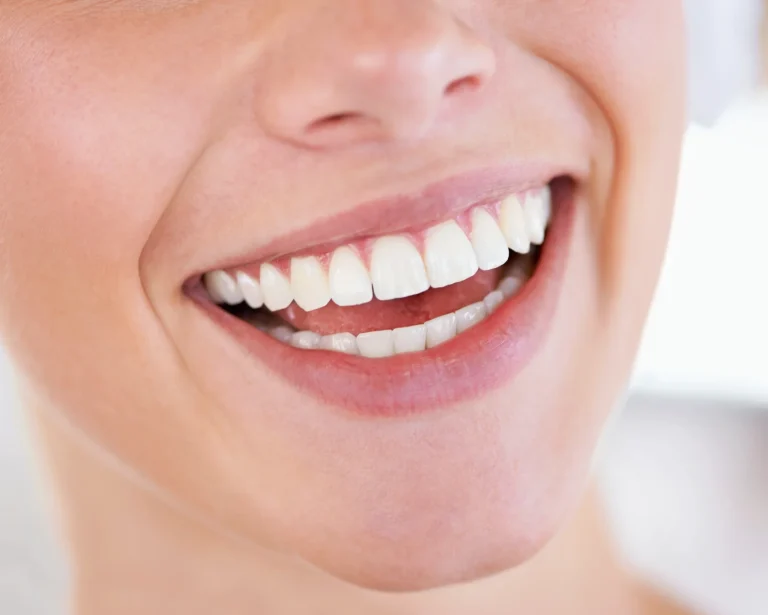
An Honest Look at Professional Whitening
If you’ve been looking into teeth whitening in Chattanooga TN, you’ve probably noticed the options run from drugstore strips to LED kits sold on social media to professional treatments offered through a dental office. They are not the same product, and they don’t produce the same results. The difference is the concentration of the whitening agent, how it’s applied, and whether anyone checked your teeth before you started using it.
At Wilcox Family Dental, whitening is a cosmetic service we offer after we’ve looked at what’s actually causing the discoloration. Sometimes it’s coffee, tea, red wine, or tobacco staining the enamel from the outside. Sometimes it’s deeper than that: a tooth that darkened after trauma, internal staining from medication taken as a child, or a buildup that needs to be cleaned off before any whitening can reach the surface.
We’ll tell you up front which kind of staining we see, what whitening can realistically change, and what it can’t. If a take-home tray system makes more sense than an in-office treatment for your situation, we’ll say so. If you’d be better served by something other than whitening, we’ll say that too.
How Professional Whitening Actually Lightens Teeth
Professional whitening uses a peroxide-based gel, either hydrogen peroxide or carbamide peroxide, at a concentration higher than what’s legally sold over the counter. The gel breaks down stain molecules inside the enamel and the layer just beneath it. It doesn’t strip or sand the tooth. The structure stays the same; the color shifts.
Because the concentration is higher, the gel needs to stay on the teeth and off the gums. That’s the part the drugstore strips can’t really control, and it’s the reason professional whitening tends to produce a more even result with less gum irritation. In a dental setting, the gum tissue is protected before the gel goes on, and the contact time is measured.
Take-home trays work on the same principle at a lower concentration, applied over more days. They’re a good fit for patients who want a gradual change or who get tooth sensitivity from stronger formulas. In-office treatment is faster and produces a more dramatic shift in a single visit. Neither one is universally better. It depends on your teeth, your sensitivity, and how quickly you want to see a change.
Who's a Good Candidate for Whitening and Who Isn't
Whitening works best on healthy, intact natural teeth with surface staining from food, drink, or tobacco. If that describes your situation, you’ll likely see a noticeable change. Most patients lighten several shades, though the exact result depends on where you’re starting from and what’s causing the discoloration.
Whitening does not change the color of crowns, veneers, bonding, or fillings. If you have restorations on your front teeth, whitening the surrounding natural teeth will make the restorations look darker by comparison, and they’ll need to be replaced to match. This is worth knowing before you start. We’ll look at your front teeth together on an intraoral camera image so you can see exactly what’s natural enamel and what’s a previous restoration.
Whitening also isn’t the right call when the discoloration is coming from inside the tooth, when there’s untreated decay, or when the gums are inflamed. In those situations we take care of the underlying issue first. A tooth that darkened after a root canal, for example, sometimes responds better to internal bleaching or to a veneer than to surface whitening. We’ll explain which approach fits what we see and why.

What a Whitening Visit at Wilcox Family Dental Looks Like
Before any whitening starts, we do an exam and a cleaning. The exam rules out cavities and gum issues that would make whitening uncomfortable or ineffective. The cleaning removes the plaque and surface buildup that would otherwise sit between the gel and the enamel. There’s no point bleaching a film; we want the gel reaching the actual tooth.
For in-office whitening, we isolate the gums with a protective barrier, apply the gel in timed intervals, and check sensitivity as we go. The full visit usually runs about an hour. For take-home whitening, we take impressions, have custom trays made by our partner lab, and send you home with the gel and instructions. Custom trays matter because they keep the gel on the teeth instead of leaking onto the gums, which is what causes most of the irritation people complain about with one-size-fits-all kits.
After whitening, teeth can be temporarily more sensitive to cold for a day or two. We’ll go over how to manage that and what to avoid in the first 48 hours, when the enamel is more porous and more likely to pick up new staining. Coffee, red wine, and tomato sauce are the usual ones to hold off on.
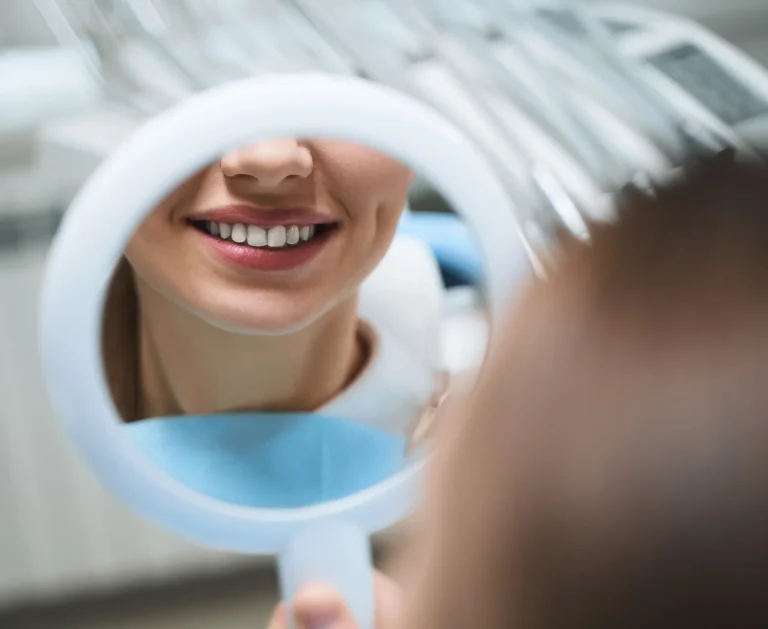
Keeping Whitening Results Looking the Way You Wanted
Whitening is not permanent. The teeth will gradually pick up staining again from the same sources that caused the original discoloration: coffee, tea, red wine, dark sodas, tobacco, and certain foods. How quickly that happens depends on your habits. Patients who drink a few cups of coffee a day will see staining return faster than patients who don’t.
Most people maintain results with occasional touch-ups using their custom trays, somewhere between once a year and once every few months depending on the staining rate. Keeping up with regular cleanings makes a real difference too, because the cleaning removes surface stain before it has a chance to set in. We’ll talk through a maintenance plan that matches how your teeth actually behave, not a generic schedule.
If whitening is part of a larger set of changes you’re considering, we can walk through how it fits with options like porcelain veneers or dental bonding. Sometimes whitening alone is the answer. Sometimes it’s the first step before a restoration so the new work can be matched to a lighter shade. We’ll lay out both paths and tell you what we’d recommend.
Ask About Whitening at Your Next Visit
Bring it up at a cleaning or schedule a consultation specifically for whitening. We’ll look at your teeth together, tell you what we see, and give you a written estimate before you commit to anything. Wilcox Family Dental serves patients across Chattanooga, East Ridge, Red Bank, Hixson, Soddy-Daisy, and Signal Mountain.