
TMJ Treatment in Chattanooga, TN
Jaw pain, clicking, and morning headaches usually have a reason behind them. We’ll help you figure out what’s driving yours and walk through what to do about it.
What TMJ Pain Actually Is and Why It Shows Up
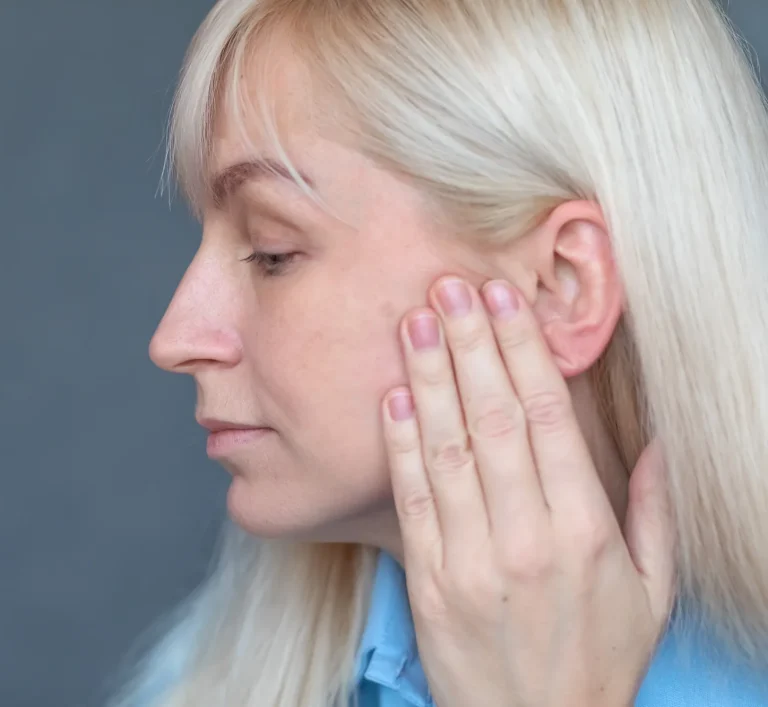
TMJ Treatment in Chattanooga TN starts with a real conversation about what’s going on. The temporomandibular joints are the two hinges in front of your ears that let your jaw open, close, and slide side to side. When something throws those joints or the muscles around them off, you feel it: soreness when chewing, a click or pop when you yawn, headaches that show up before coffee, or a jaw that feels stuck for a second when you wake up.
Most of the patients we see for TMJ issues haven’t had a single accident or injury. The symptoms built up gradually, often tied to clenching at night, grinding under stress, a bite that doesn’t line up evenly, or years of chewing on one side. Sometimes it’s all of the above. The treatment depends on which of those things is actually driving your pain, which is why we take the time to look before we recommend anything.
Dr. Joseph Rollings sees patients from Chattanooga, East Ridge, Red Bank, Hixson, Soddy-Daisy, and Signal Mountain for jaw pain that’s been brushed off elsewhere or treated with a generic mouthguard that didn’t help. The goal here is to figure out what’s causing the problem in your specific case, then give you options that match it.
How We Diagnose What's Driving Your Jaw Pain
A TMJ exam at Wilcox Family Dental is mostly a conversation and a careful look. Dr. Rollings will ask when the pain started, when it’s worst, whether you wake up with it or build into it during the day, and what you’ve already tried. He’ll feel the joints and the muscles around them while you open and close, listen for clicking or grating, and check how far your jaw opens and whether it deviates to one side.
From there we use the same imaging we’d use for any restorative case: digital X-rays and our panoramic machine to look at the joint structure and rule out other causes like a cracked tooth or an abscess that’s referring pain into the jaw. Intraoral cameras come into play when wear patterns on specific teeth tell us you’re grinding, because seeing the flattened cusps on a screen tends to be more useful than being told about them.
We’ll show you what we see and explain what it means. If the cause looks straightforward, like nighttime clenching wearing down your back molars, we’ll say so. If it’s more layered, with bite issues and muscle tension feeding into each other, we’ll explain that too and walk through which piece to address first. The point isn’t to make the diagnosis sound complicated. It’s to make sure you and Dr. Rollings are looking at the same thing when you decide what to do next.
Treatment Options for TMJ Disorders
For many patients, the first step is a custom-fitted occlusal splint, often called a nightguard. Unlike the boil-and-bite versions from a drugstore, ours are made from impressions of your teeth and adjusted so your bite lands evenly across the appliance. That takes pressure off the joints while you sleep and gives the muscles a chance to stop bracing. You can read more about how we make these on our page about nightguards in Chattanooga TN.
When the issue involves a bite that doesn’t close evenly, treatment may include reshaping a few high spots on the teeth so the forces distribute correctly, or addressing missing teeth that have shifted the way you chew. In some cases, restorative work like crowns or orthodontic treatment with Invisalign helps the jaw close in a position the joint can actually tolerate. We don’t recommend any of that unless the evidence points to it.
Conservative care matters too. Warm compresses, soft-food stretches during flare-ups, jaw stretches, and short courses of anti-inflammatories often do real work alongside the splint. If your symptoms point to something outside our scope, like a structural joint problem that needs imaging beyond what we offer, we’ll tell you and refer you to a specialist. We’d rather send you to the right person than treat around the edges of something we can’t fix.
What's Included in a TMJ Consultation at Wilcox Family Dental
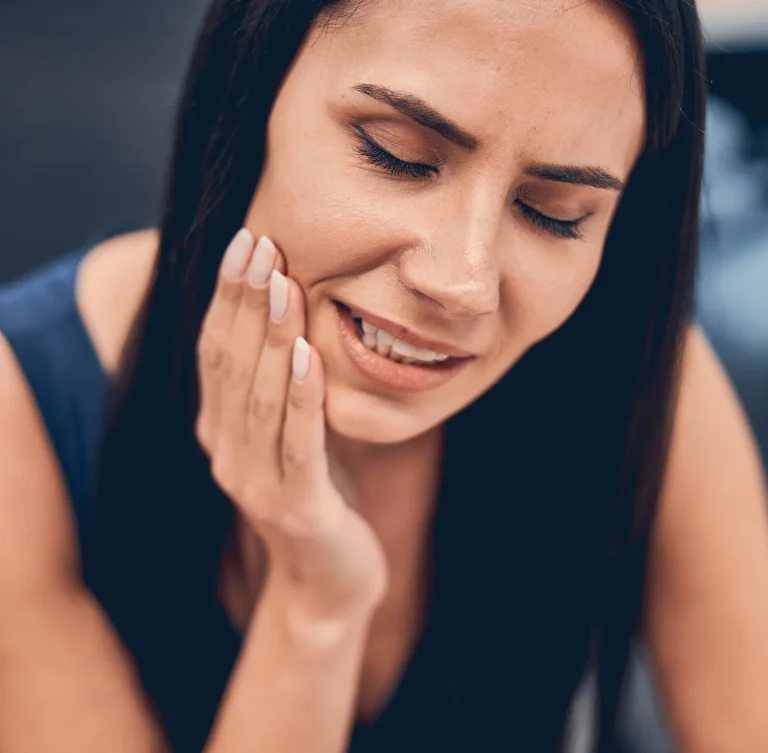
A first visit for jaw pain runs about an hour. It includes the history, the physical exam of the joints and muscles, digital X-rays and panoramic imaging if we don’t already have recent ones, and intraoral photos of any wear we want to track over time. Dr. Rollings will give you a plain-language summary of what he found and what he thinks is causing it.
If a splint is part of the plan, we’ll take impressions at that visit or schedule them shortly after, and the appliance is fabricated by one of the local labs we work with regularly. Fitting and adjustment happens at a follow-up, where we make sure the bite is balanced on the appliance and answer questions about wear and care. If we recommend other restorative work, you’ll get a written treatment plan with the sequence laid out and costs attached before anything starts.
You always have the option to do nothing yet. If your symptoms are mild and you want to try conservative measures for a few weeks first, we’ll give you a clear list of what to try and what would tell us it’s time to come back. We’d rather you make an informed call than feel pushed into treatment you’re not sure about.
Insurance, Medicaid, and Payment for TMJ Care
Dental coverage for TMJ treatment varies a lot by plan. Some plans cover a portion of the diagnostic exam and a custom occlusal splint under dental benefits. Others classify TMJ care under medical insurance, which means it runs through a different claims process. A few plans don’t cover it at all. We accept Medicaid and all major dental insurance providers, and we’ll verify your specific benefits before we propose a plan so you’re not guessing.
Before any treatment starts, you’ll get a written estimate that shows what your insurance is expected to cover and what your out-of-pocket portion looks like. If cost is part of how you make this decision, tell us. We offer payment options through CareCredit, Cherry, and QuickPay, and we can sequence treatment so the most urgent piece comes first if spreading it out makes the budget work.
If your jaw pain turned out to be from a cracked tooth or an abscess rather than the joint itself, the conversation shifts to restorative dentistry in Chattanooga TN. The estimate process is the same: we explain what’s recommended, what it costs, and what happens if you wait.
Why Treating TMJ Issues Early Is Worth the Trouble
Untreated grinding and clenching wear teeth down faster than most people realize. Enamel gets flattened, cusps chip off, old fillings fracture, and the back teeth take damage that eventually requires crowns or root canal treatment in Chattanooga TN. Catching the pattern early, often with nothing more than a well-made splint, can save you years of incremental repair work.
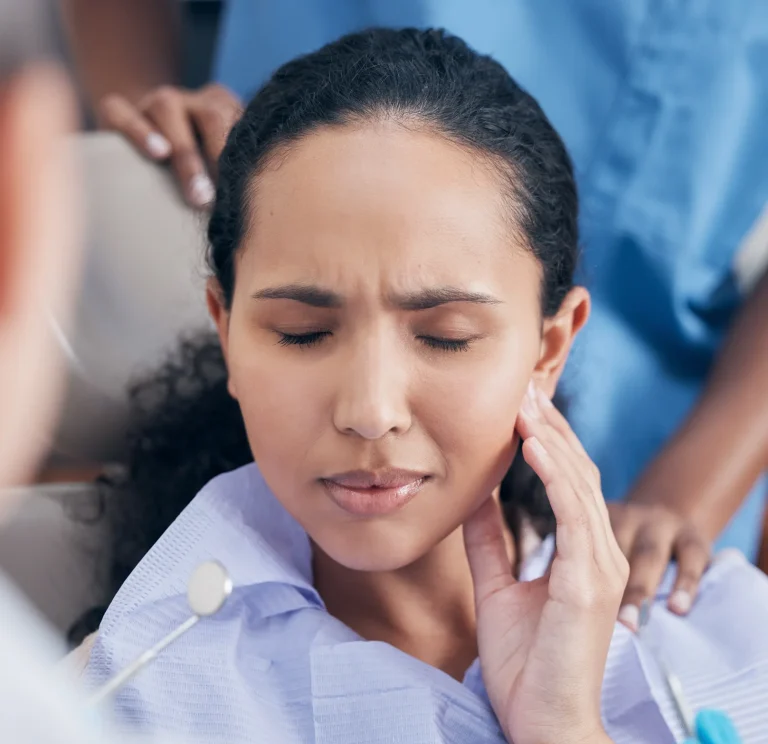
The other benefit is the obvious one: you stop hurting. Patients who wake up with sore jaws and tension headaches usually adjust to the discomfort over time and forget it’s not normal. When the pain eases up, sleep improves, chewing stops being a project, and the low-grade fatigue from clenching all night tends to lift with it.
TMJ care isn’t dramatic and it isn’t quick. It’s a series of reasonable steps that depend on knowing what’s actually wrong. That’s what we’re set up to do here, and it’s why we’d rather spend an extra fifteen minutes on the diagnosis than rush you into an appliance that doesn’t match the problem.
Get an Honest Read on Your Jaw Pain
If you’ve been waking up with headaches, hearing a click when you chew, or wondering whether your grinding is doing real damage, schedule a consultation with Dr. Rollings. We’ll tell you what we see and what your options are.