
Root Canal Treatment in Chattanooga, TN
When the nerve inside a tooth is inflamed or infected, a root canal is usually the treatment that lets you keep the tooth instead of losing it. Dr. Rollings will walk you through what he sees on the X-ray, what it means, and what your options are before anything starts.
What to Know About Root Canal Treatment at Wilcox Family Dental
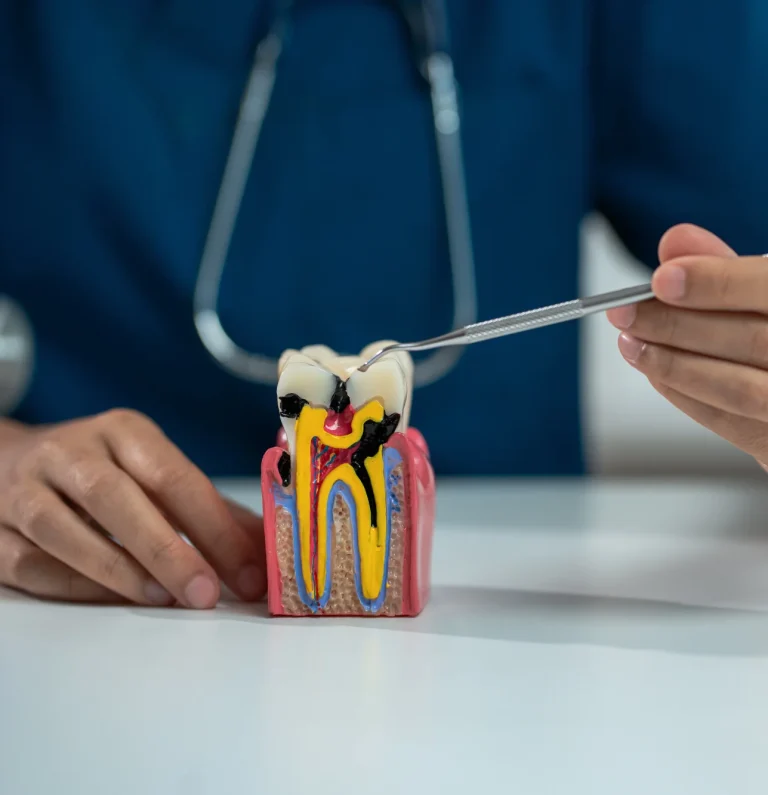
If you’ve been told you need Root Canal Treatment in Chattanooga TN, the first thing we’ll do is sit down and show you the actual problem on a digital X-ray or intraoral camera image. A root canal is recommended when the pulp inside a tooth (the nerve and blood supply at the center) becomes infected or inflamed past the point of healing on its own. That can happen from deep decay, a crack, repeated dental work on the same tooth, or trauma from an injury.
The treatment itself is straightforward in concept: we remove the infected tissue from inside the tooth, clean and shape the canals, fill them with a sealing material, and restore the tooth so you can chew on it again. The reason root canals have a reputation for being uncomfortable is mostly outdated. With modern anesthesia and instruments, the appointment feels much closer to a routine filling than what people remember from twenty years ago.
Dr. Rollings earned his DDS from Meharry Medical College and completed advanced residency training at the VA, where root canal therapy is part of the daily work. We serve patients across Chattanooga, East Ridge, Red Bank, Hixson, Soddy-Daisy, and Signal Mountain, and we’ll tell you honestly whether a root canal is the right call for your tooth or whether another option makes more sense.
What Happens to a Tooth During Root Canal Treatment
A root canal is done in stages, usually across one or two visits depending on how much infection is present and which tooth we’re working on. Front teeth have one canal. Molars can have three or four. That difference matters for how long the appointment takes and what the restoration looks like afterward.
We start by numbing the tooth thoroughly. Once you’re comfortable, we isolate the tooth with a small barrier so the inside stays clean during the procedure. Then we make a small opening through the top of the tooth, remove the inflamed or infected pulp, and use fine instruments to clean and shape each canal down to the root tip. We rinse the canals with a disinfecting solution along the way.
When the inside of the tooth is clean and dry, we fill the canals with a rubber-like material called gutta-percha that seals them off from bacteria. The opening is sealed with a temporary or permanent filling, depending on the next step. Most back teeth need a crown afterward because removing the pulp leaves the tooth more brittle, and a crown protects it from cracking under chewing pressure. We’ll explain at the consultation whether your tooth needs a crown and why.
Signs You May Need a Root Canal and When to Come In
The classic sign is a toothache that lingers, especially one that wakes you up at night or throbs without anything touching the tooth. Sharp pain when you bite down, prolonged sensitivity to hot or cold that doesn’t fade after a few seconds, a small bump on the gum near a tooth, or swelling in the face or jaw are all reasons to be seen quickly. Sometimes a tooth that needs a root canal doesn’t hurt at all and we catch it on an X-ray during a regular exam.
If a tooth cracks on a Tuesday afternoon or an old filling comes loose and the pain shows up two days later, call us. We keep room in the schedule to work people in when something acute is going on, and we’d rather see you sooner than have you wait until the infection spreads. Our emergency visits start with figuring out what’s actually causing the pain, not assuming the worst.
Not every painful tooth needs a root canal. Sometimes the answer is a filling, an adjustment to the bite, or treatment for grinding. Other times the tooth is too far gone to save and an extraction with a plan to replace it is the more honest recommendation. We’ll tell you which option we’d choose for our own family and why.
What's Included in Your Root Canal Visit
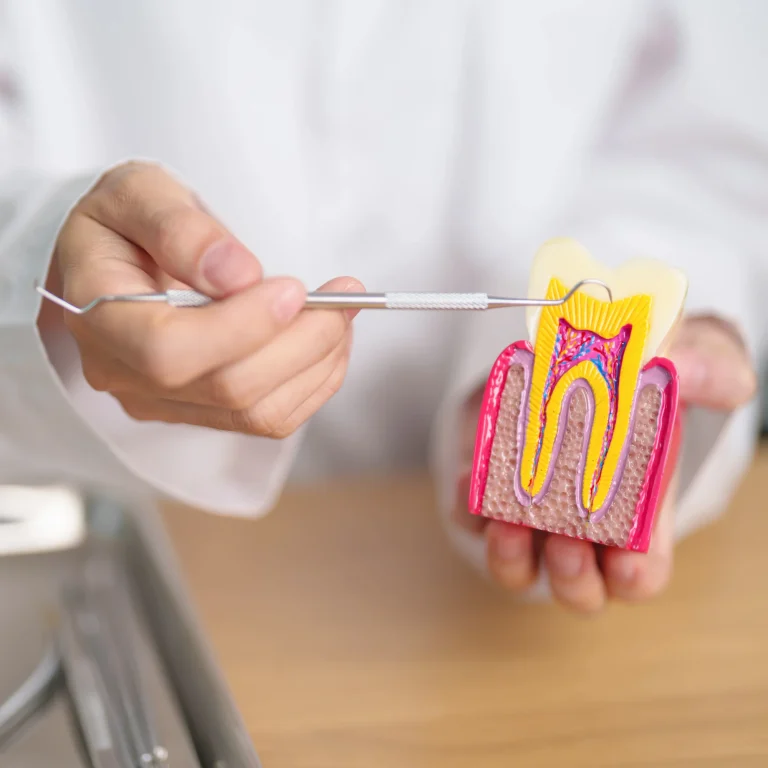
Your first visit is a diagnostic appointment. We take a digital X-ray, sometimes a panoramic image if we need to see more of the surrounding bone, and we test the tooth to confirm whether the pulp is still alive or has died. We’ll show you what we see and explain how we arrived at the recommendation. If a root canal is the right treatment, we go over the steps, the timeline, the cost, and what the tooth will need afterward (usually a crown).
On treatment day, you can expect to be in the chair for roughly 60 to 90 minutes for a single-rooted tooth and longer for a molar. We use local anesthesia to keep the tooth numb the entire time. If you’re someone who has a hard time sitting through dental work, ask us about sedation options at the consultation so we can plan ahead instead of improvising.
After the canal is cleaned and sealed, we either place the final restoration or schedule you back for a crown. Some soreness for a day or two is normal as the ligament around the tooth settles down. Most patients are back to normal eating within a week, and the tooth itself is no longer the source of pain once the inflamed nerve tissue is gone.
Insurance, Medicaid, and Payment Options for Root Canals
Root canal treatment is generally covered as a major service by dental insurance, though the percentage varies by plan. We accept Medicaid and all major insurance providers, and we’ll run your benefits before treatment so you know what your plan covers and what’s left for you to pay. You’ll get a written estimate in advance, not a surprise after the fact.
If cost is part of how you’re making the decision, say so directly. For patients without coverage or with a balance after insurance, we offer financing through CareCredit, Cherry, and QuickPay so the cost can be spread out instead of paid all at once. A root canal plus a crown is a real expense, and we’d rather talk about that openly at the consultation than have it become a reason you postpone care.

Why Saving Your Natural Tooth With a Root Canal Matters
A root canal lets you keep the tooth you already have. Even with good replacements like implants and bridges, nothing functions quite the same as the original tooth in its original socket. The root keeps the surrounding bone stimulated, the neighboring teeth stay in place, and your bite stays balanced. A treated tooth, restored properly with a crown when needed, is designed to last for many years with normal brushing, flossing, and regular checkups.
The alternative to a root canal on a tooth with an infected nerve is usually extraction, and once a tooth is out, you’re making a second decision about whether to replace it and how. That can mean a bridge, a partial denture, or an implant, each with its own timeline and cost. Treating the tooth now is often the simpler path, both clinically and financially.
If you’ve been putting off a root canal because you weren’t sure it was necessary or because the cost felt unclear, come in for a consultation. We’ll look at the same X-ray together, talk through what’s actually going on, and give you the information you need to make a decision you feel good about.
Schedule a Root Canal Consultation
Call Wilcox Family Dental or request an appointment online. We’ll get you in for an evaluation, show you what we see, and give you a written estimate before any treatment begins.