
PRF Treatment in Chattanooga, TN
PRF (platelet-rich fibrin) uses a small sample of your own blood to help the body heal faster after oral surgery. Here’s how we use it at Wilcox Family Dental, and when it actually makes a difference.
What PRF Is and Why We Use It
If you’ve been told you need an extraction, a bone graft, or any kind of oral surgery, you may have heard PRF mentioned as part of the plan. PRF Treatment in Chattanooga TN is something Dr. Rollings discusses with patients when the goal is to give the surgical site every reasonable advantage during healing, especially when future implants or grafting are part of the bigger picture.
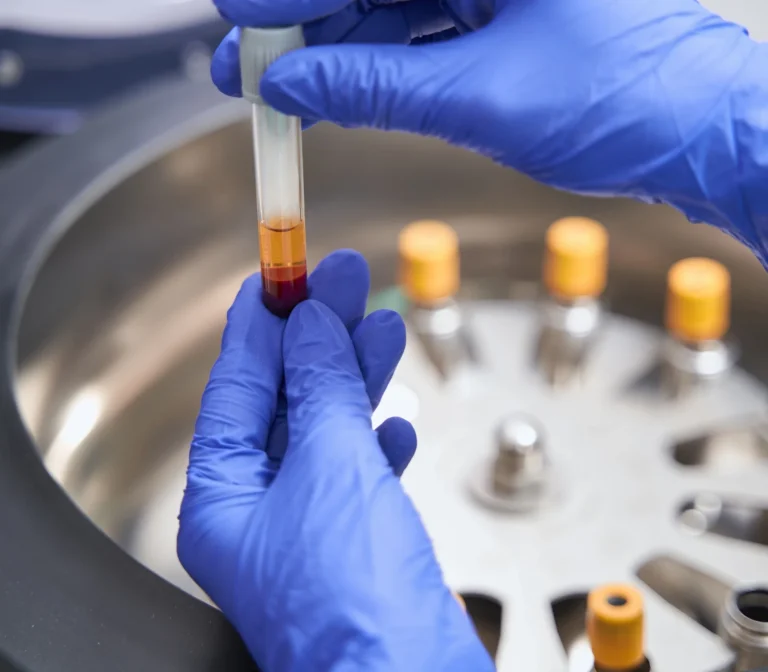
PRF stands for platelet-rich fibrin. We draw a small amount of your blood at the start of your appointment, spin it in a centrifuge, and separate out a concentrated layer of platelets, white blood cells, and fibrin. That layer goes back into the surgical site. Your body already uses these components to heal. PRF just delivers more of them, right where the work was done.
Because PRF comes from you, there’s no foreign material involved and no donor product to react to. It’s an add-on that we recommend in specific situations, not a routine upsell. If you don’t need it, we’ll tell you that.
How PRF Is Drawn, Spun, and Placed During Oral Surgery
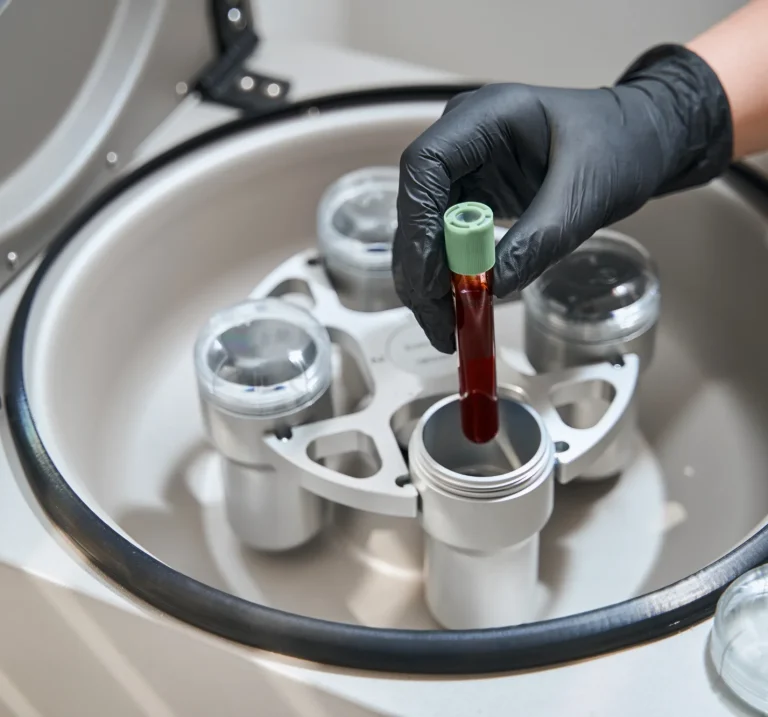
The process is straightforward and adds only a short window to your appointment. Before the surgical portion begins, a team member draws blood the same way a routine lab draw works. The vials go directly into a centrifuge in our office, and they spin for roughly ten to fifteen minutes.
What comes out of the centrifuge is a soft, gel-like layer of fibrin packed with platelets and growth factors. Dr. Rollings can shape it into a plug to fill an extraction socket, layer it over a bone graft, or tuck it under the gum tissue before closing. The placement depends on what your site needs.
From there, the rest of the procedure proceeds normally. You leave with the PRF already working inside the site, releasing growth factors over the next several days as the fibrin slowly breaks down. There’s nothing to remove later. Your body absorbs it as healing progresses.
When PRF Actually Helps and When It Doesn't
PRF isn’t appropriate for every procedure, and we don’t pretend otherwise. It tends to help most when the surgical site needs strong early healing or when we’re trying to preserve bone for a future restoration. Common situations where Dr. Rollings recommends it include tooth extractions where you plan to get an implant later, bone grafting procedures, sites with a history of slow healing, and cases where the surrounding bone is thin or compromised.
It’s less useful for routine, uncomplicated extractions in healthy patients. If you’re having a single tooth removed and the site is healthy and you have no significant medical history slowing healing, plain socket preservation may be all that’s needed. We’ll explain the reasoning either way.
Patients on certain medications, with bleeding disorders, or with specific medical conditions may not be candidates. We’ll go over your health history before recommending PRF so you know whether it’s a fit for your situation.
What's Included When PRF Is Part of Your Surgical Visit
When PRF is part of your treatment plan, the visit includes the blood draw, the centrifuge processing, the surgical procedure itself, and the placement of the PRF membrane or plug into the site. We use our in-house imaging, including digital X-rays and our panoramic machine, to plan the surgery and confirm the area we’re treating.
Dr. Rollings will walk you through what to expect afterward: how to care for the site, what’s normal in the first few days, and what’s not. You’ll get written aftercare instructions, not just verbal ones, so you’re not trying to remember everything on the drive home. If you have questions later that evening or the next day, we want you to call.
If your surgery is paired with sedation or planned alongside other work, we’ll coordinate the sequence so you’re not making more trips than necessary. You can read more about our broader surgical care on our Oral Surgery in Chattanooga TN page, and our approach to comfort during longer procedures on the sedation dentistry in Chattanooga TN page.
Paying for PRF and Insurance Considerations
Most dental insurance plans don’t cover PRF as a separate line item, though some will contribute when it’s billed alongside a covered procedure like an extraction or bone graft. We’ll check your benefits before the appointment and give you a written estimate of what PRF will add to your out-of-pocket cost, so there are no surprises on the day of surgery.
We accept Medicaid and all major insurance providers, and we offer financing through CareCredit, Cherry, and QuickPay if you’d like to spread the cost over time. If money is part of how you’re deciding whether PRF makes sense for your case, tell us. We can talk through what the procedure looks like with and without it, and what the trade-offs are.
Why PRF Is Worth Considering Before an Extraction or Graft
The honest case for PRF is this: it can shorten early healing time, reduce post-operative discomfort for many patients, and improve the quality of bone that forms in an extraction socket. That last point matters most if you’re planning a future implant, because the bone that fills in after an extraction is the foundation everything else sits on.
It’s not magic, and we won’t talk about it that way. Outc.webpomes still depend on your overall health, how well you follow aftercare, and the complexity of the original surgery. But in the right case, PRF gives the body a head start, using nothing but components it already makes.
We serve patients across Chattanooga, East Ridge, Red Bank, Hixson, Soddy-Daisy, and Signal Mountain. If you’re weighing oral surgery or considering bone grafting in Chattanooga TN as part of an implant plan, ask whether PRF belongs in the conversation.
Ask Whether PRF Is Right for Your Case
Schedule a consultation with Dr. Rollings and we’ll look at your X-rays together, explain what we see, and tell you honestly whether PRF would add value to your treatment or not.