
Fluoride Treatment in Chattanooga, TN
A quick, in-office application that strengthens enamel and helps prevent the small problems from becoming bigger ones. We’ll tell you whether you actually need it, and why.
What Fluoride Treatment Actually Does
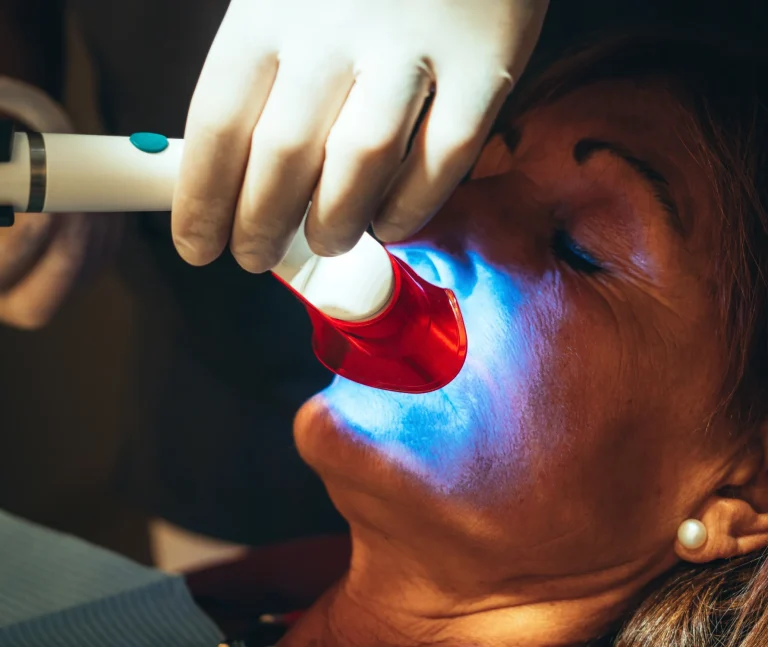
Fluoride Treatment in Chattanooga TN is one of the simpler tools in preventive dentistry, and one of the most misunderstood. It is a concentrated application of fluoride (usually a varnish or foam) painted onto clean teeth at the end of a visit. The point is to harden the outer layer of enamel against acid, the same acid produced when bacteria feed on sugars and starches throughout the day.
Your toothpaste already contains fluoride. Most municipal water in Hamilton County contains a small amount as well. An in-office treatment is a different concentration entirely, and it sits on the teeth long enough to be absorbed into areas where enamel is starting to weaken but has not yet broken down into a cavity.
At Wilcox Family Dental, we don’t treat fluoride as automatic. For some patients it’s an obvious yes. For others, the honest answer is that you don’t need it right now. Dr. Rollings will tell you which category you fall into and explain the reasoning, so you’re not paying for something out of habit.
How a Fluoride Application Is Done in Our Office
The application itself takes about a minute. After your cleaning, we dry the teeth and paint a thin layer of fluoride varnish across the surfaces with a small brush. It sets quickly. You can talk, drive, and go back to your day immediately. We ask you to wait about thirty minutes before eating or drinking, and to skip anything hot or crunchy for the rest of the day so the varnish stays in contact with the enamel.
There is no numbing involved, no instruments beyond the small applicator brush, and no recovery. For children, we use a flavored varnish and the whole step usually finishes before they realize it has started. For adults, the experience is the same: quick, painless, and easy to fit into a regular cleaning appointment.
If we recommend fluoride for a specific reason (early demineralization on a tooth, sensitivity, exposed root surfaces from gum recession, a high-cavity period in someone’s life), we’ll point to what we’re seeing. Often that means looking together at intraoral camera images or digital X-rays so you understand what we’re treating and why.
Who Actually Benefits From a Fluoride Treatment
Children and teenagers with developing teeth are the most common candidates. Newly erupted permanent molars have enamel that hasn’t fully matured, and a fluoride application during routine visits gives that enamel real protection during the years when cavity risk is highest. We often pair this with dental sealants on the chewing surfaces of back molars when the grooves are deep.
Adults benefit in specific situations: a history of frequent cavities, dry mouth from medications, exposed root surfaces from gum recession, orthodontic treatment that makes cleaning harder, or early white-spot lesions that we’d rather reverse than restore. Seniors are often in one or more of these categories at once, and fluoride is one of the cheapest ways to slow new decay on teeth that have already been through a lot.
If none of that applies to you (low cavity history, healthy gums, good home care, no dry mouth), it is reasonable to skip it. We will say so. The option to do nothing yet is a real option in preventive care, and we’d rather be straight with you than add a line to the bill that doesn’t do much.
What's Included When We Apply Fluoride at Wilcox Family Dental
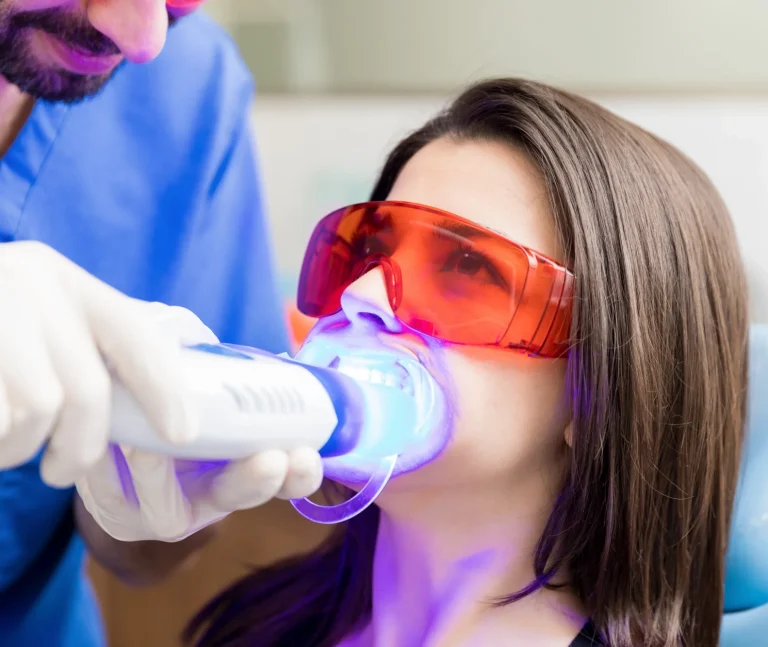
A fluoride treatment at our office is part of a larger preventive visit, not a standalone procedure. Before we apply anything, we’ve already done a cleaning, an exam, and (when due) digital X-rays. That means we’re making the fluoride decision with current information about what your teeth and gums actually look like, not a guess.
Dr. Rollings will walk through what we see: any areas of early enamel breakdown, any places where the gumline has receded and exposed softer root surface, any patterns of wear or sensitivity. If fluoride is part of the plan, we’ll explain why we picked it over (or in addition to) other preventive steps like sealants, a prescription-strength toothpaste at home, or more frequent cleanings.
After the application, you’ll get plain instructions: skip hot food and drinks for the rest of the day, stick with soft foods for a few hours, and brush normally the next morning. That’s the entire aftercare. If you have questions when you get home, call us. We’d rather answer a quick question than have you guess.
Why a One-Minute Fluoride Step Is Worth Considering
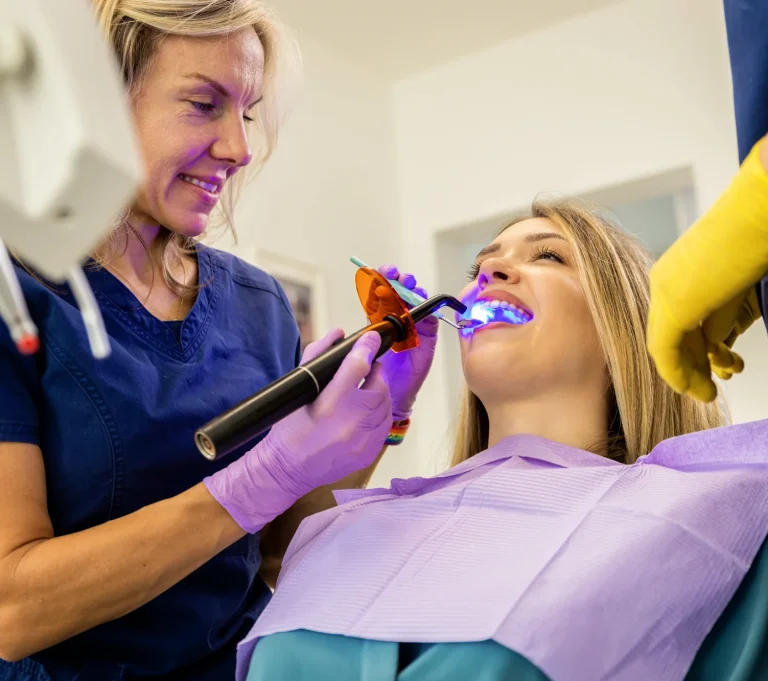
Preventive dentistry works on a long time horizon. A filling today costs more than a fluoride application, and a crown later costs more than that filling. Catching enamel weakness while it’s still reversible is the cheapest point in that whole chain, and fluoride is one of the few tools that can actually re-mineralize early damage rather than just slow it down.
It is not magic, and it does not replace brushing, flossing, or regular dental exams. What it does is add a margin of safety, especially for kids during the cavity-prone years and for adults navigating life situations (a new medication, a period of high stress, orthodontic treatment) where the usual home routine isn’t quite enough.
We serve families across Chattanooga, East Ridge, Red Bank, Hixson, Soddy-Daisy, and Signal Mountain. If you want a straight answer about whether fluoride makes sense for you or your kids, that’s a conversation we’re glad to have at your next cleaning.
Book a Cleaning and We'll Talk Through Fluoride Then
Call Wilcox Family Dental or request an appointment online. We’ll handle the cleaning, look at the same images together, and tell you honestly whether a fluoride application belongs in your visit.