
Endodontics in Chattanooga, TN
When the nerve inside a tooth is inflamed or infected, the goal shifts from saving comfort to saving the tooth itself. This page explains what endodontic care actually does, when it’s the right call, and how Dr. Rollings approaches it at Wilcox Family Dental.
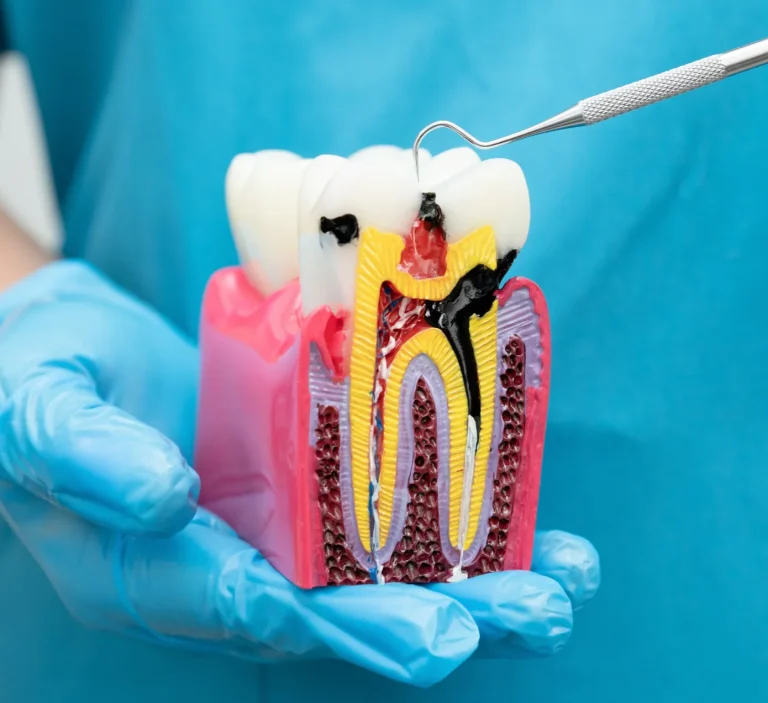
What Endodontics Actually Treats
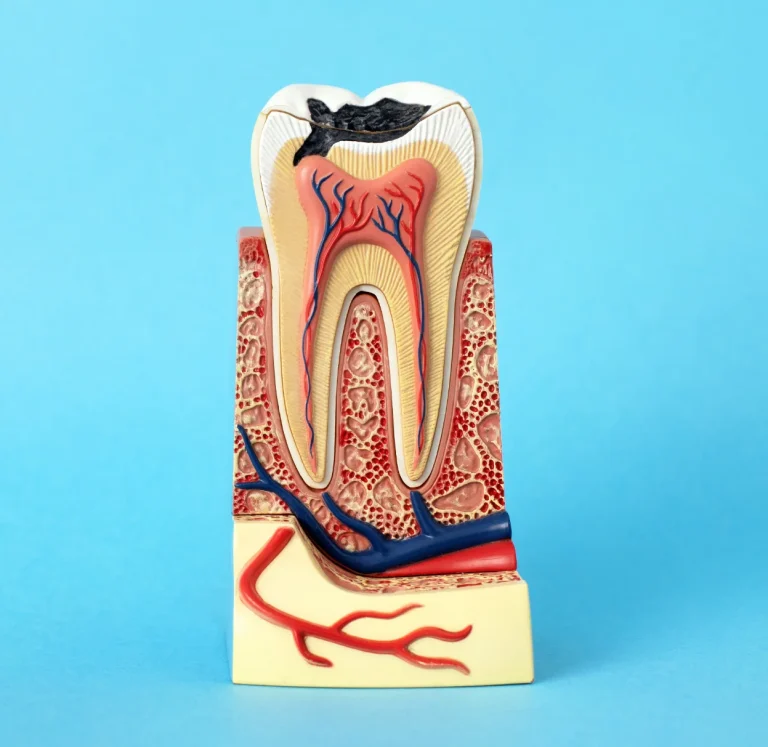
Endodontics in Chattanooga TN is the branch of dentistry focused on the inside of the tooth: the pulp, the nerve, and the small canals that run down through each root. When that tissue becomes inflamed or infected, the tooth doesn’t heal on its own. It needs treatment, or it eventually needs to come out. Endodontic care is how we keep the tooth.
Most of what falls under this umbrella is root canal therapy, but endodontics also covers diagnosing nerve pain that doesn’t have an obvious source, treating cracked teeth before the crack reaches the root, and following up on teeth that have had previous work done. The common thread is the inside of the tooth, not the outside.
At Wilcox Family Dental, Dr. Joseph Rollings handles endodontic cases for patients across Chattanooga, East Ridge, Red Bank, Hixson, Soddy-Daisy, and Signal Mountain. The approach is the same one we use for the rest of our work: we show you what we see on the X-ray and the intraoral camera, explain what’s happening to the tooth, and walk through your options before anything is decided.
Signs the Nerve Inside a Tooth Is in Trouble
Tooth pulp doesn’t send subtle signals. When it’s irritated, you usually know. The pattern most patients describe is a tooth that throbs on its own, lingers in pain after something hot or cold, or wakes them up at night. Pressure when chewing is another common one, especially on a single tooth that didn’t bother them a month ago.
There are quieter versions too. A tooth that has had a large filling for years can slowly lose nerve vitality without dramatic pain, and the first sign might be a small bump on the gum near the root, or a tooth that suddenly looks darker than its neighbors. Those are signs of a problem that has been brewing for a while, and they show up clearly on a digital X-ray.
If you’re not sure whether what you’re feeling is a cavity, a cracked tooth, sinus pressure, or something nerve-related, that’s part of what the appointment is for. We use the panoramic machine and intraoral camera to narrow it down, and we tell you what we see, what it means, and what your options are.
How Root Canal Therapy Saves a Tooth
The mechanics of a root canal are simpler than the reputation suggests. The tooth is numbed thoroughly, an opening is made through the top, the inflamed or infected tissue inside is cleaned out, the canals are shaped and disinfected, and the space is sealed with a stable filling material. In most cases the tooth then gets a crown to protect it from fracture, because a tooth that has had a root canal is more brittle than one that hasn’t.
Patients are often surprised that the appointment itself feels a lot like getting a deep filling. The pain people associate with root canals is almost always the pain that brought them in, not the pain of the procedure. Once the nerve is treated, that throbbing stops.
Some teeth are good candidates for root canal therapy and some are not. If a tooth is cracked below the gum line, or so badly decayed that there isn’t enough structure left to rebuild, we’ll tell you that directly. In those cases we talk through extraction and replacement options, including what timing makes sense and what it costs, instead of pushing forward with a treatment that won’t hold.
What an Endodontic Visit at Wilcox Family Dental Includes
An endodontic appointment starts with the diagnosis, not the drill. We take a focused digital X-ray, sometimes a panoramic image if the picture isn’t clear from a single view, and test the tooth’s response to cold and pressure. The intraoral camera lets us show you a crack or a fracture line on the screen, so you’re not taking our word for what’s happening inside your mouth.
From there we lay out the plan. If root canal therapy is the right call, you’ll know how many visits it will take, what the tooth will need afterward (usually a crown, sometimes a build-up first), and what the full cost looks like before we begin. If cost is part of how you make decisions about care, say so. We’ll give you a written estimate before we start anything, not after.
Treatment itself is done in-house when the case fits our scope. For more complex cases, such as a molar with unusual canal anatomy or a retreatment of a tooth that has already had a root canal once, Dr. Rollings will tell you honestly whether the case is better handled by a specialist and help coordinate the referral. The goal is the right outc.webpome for the tooth, not keeping every case in our chair.
Paying for Endodontic Treatment: Insurance and Financing
Root canal therapy and related endodontic work are usually covered, at least in part, by dental insurance because they’re considered a necessary alternative to losing the tooth. Coverage varies by plan, and a back molar often falls under a different benefit tier than a front tooth. We accept Medicaid and all major insurance providers, and we’ll verify your specific benefits before you commit to treatment.
For the portion that isn’t covered, or for patients without insurance, we offer financing through CareCredit, Cherry, and QuickPay. These let you spread the cost over months rather than paying in full on the day of the procedure. We can run the numbers for both the root canal and the crown that usually follows, so you’re looking at the full picture instead of one half of it.
If finances are tight and the tooth isn’t an emergency yet, we’ll tell you that too. Sometimes the right call is to schedule treatment a few weeks out so you can plan for it. Sometimes waiting makes the problem bigger and the bill higher. We’ll explain which situation you’re in.
Why Saving the Tooth Is Usually Worth It
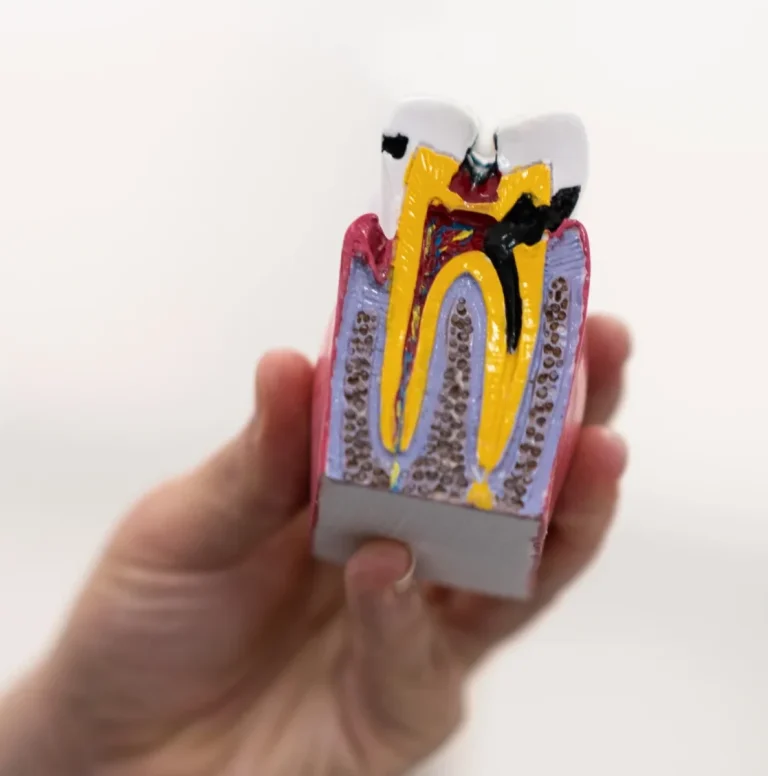
A natural tooth, even one that has been through a root canal, is still the best tooth-shaped object you can have in that spot. It keeps the bone around the root stimulated, holds its neighbors in position, and chews the way your jaw expects it to. Replacement options like implants and bridges are good when they’re needed, but they’re a second choice, not a first one.
A root canal done well, followed by a properly fitted crown and regular cleanings, can last decades. Outc.webpomes depend on the condition of the tooth going in, how much structure is left to work with, and how the tooth is cared for afterward. That’s the honest version. We’ll tell you where your specific tooth falls on that spectrum before you decide.
If you’re weighing a root canal against an extraction, that’s a real conversation worth having out loud. We’ll walk through what each path looks like over the next year, five years, and beyond, including the cost of replacement if the tooth comes out. For more on related options, see our pages on root canal treatment, crowns and bridges, and tooth extractions.
Get a Straight Answer About Your Tooth
If a tooth has been throbbing, lingering on cold, or waking you up at night, book a visit with Dr. Rollings. We’ll show you what’s going on and explain your options before anything is scheduled.