
Dental Technology in Chattanooga, TN
The tools we use in the office aren’t there to impress anyone. They’re there so you and Dr. Rollings can look at the same image, talk through what it means, and decide what to do next.
How We Use Dental Technology in Chattanooga TN
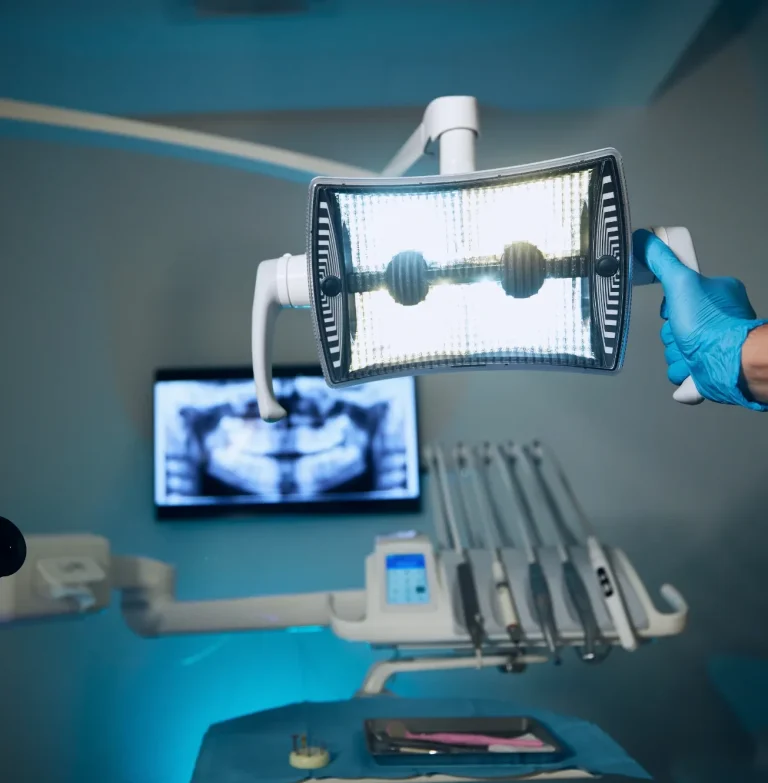
The phrase Dental Technology in Chattanooga TN can sound like marketing language, so let’s be specific about what it actually means at Wilcox Family Dental. We use digital X-rays, a panoramic imaging machine, and intraoral cameras during the appointments where they help us see something more clearly or explain it to you better. That’s the standard we hold them to. If a tool doesn’t make your visit faster, more accurate, or easier to understand, we don’t use it for the sake of using it.
Dr. Rollings runs the practice on a simple idea: informed patients make better decisions. That belief shapes how we use every piece of equipment in the office. When we take an image of your tooth, we turn the screen toward you. When we point to a crack or a shadow on an X-ray, we explain what we’re looking at and what it means for your options. None of this is for show. It’s how we make sure you and Dr. Rollings are reading the same chart when it’s time to choose a treatment.
We serve families across Chattanooga, East Ridge, Red Bank, Hixson, Soddy-Daisy, and Signal Mountain. Some of our patients come in with private insurance, some come in with Medicaid, and a lot of them are weighing real cost decisions. The technology we use is part of how we keep those conversations honest.
What Digital X-rays and Panoramic Imaging Show Us
Digital X-rays are the workhorse of any dental exam. They capture decay between teeth, infection at the root, bone loss along the gumline, and the early stages of problems that don’t hurt yet. Compared to film, they use less radiation, render almost instantly on the screen next to your chair, and can be zoomed in on so we can actually point to the spot we’re concerned about. If you’ve ever had a dentist describe a cavity you couldn’t see, you know how much of a difference that makes.
The panoramic machine gives us a single wide image of your entire upper and lower jaw, your sinuses, and the joints of your jaw. We use it when we need the bigger picture: wisdom teeth that haven’t come in yet, jaw pain that might be related to the joint, or planning for an extraction or restorative work. It takes about twenty seconds, and you stay standing. No film in your mouth, no awkward angles.
Both tools store images digitally, which means we can pull up an X-ray from a year ago and compare it to today’s side by side. That history matters. A small dark spot that hasn’t changed in two years is a different conversation than a small dark spot that’s grown since your last visit. We’d rather show you the comparison than ask you to take our word for it.
What the Intraoral Camera Changes About Your Exam
The intraoral camera is a small wand, about the size of a pen, with a light and a lens on the end. We can move it around inside your mouth and put live, magnified images of your teeth and gums on the monitor in front of you. It sounds simple, and it is. The reason it matters is that a lot of dental problems are easier to understand when you can actually see them.
When Dr. Rollings tells you a back molar has a hairline crack, you don’t have to take that on faith. He can show you the crack on the screen, magnified enough that you can trace it yourself. Same with a chipped filling, recession along the gumline, or wear from grinding at night. If a nightguard is part of the conversation, seeing the flattened cusps on the screen tends to make the recommendation make sense in a way that a verbal description doesn’t.
The camera also gives us a way to document what we see over time. If we’re watching a spot rather than treating it right away (the option to do nothing yet is a real option, and we’ll tell you when it’s reasonable), we have a baseline image to compare against next visit. That keeps everyone honest about what’s actually changing.
How Our In-House Tools and Local Lab Partners Work Together
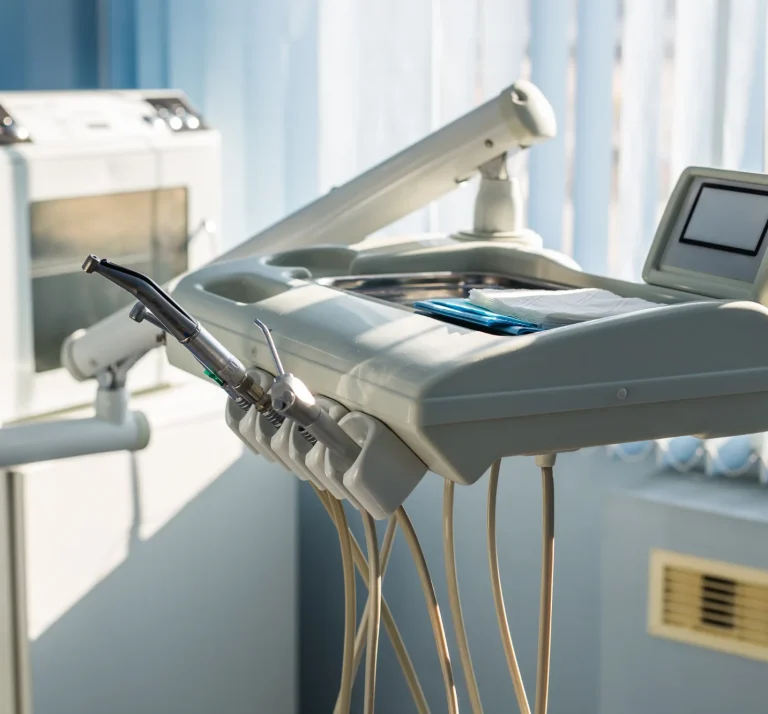
Some of the technology we rely on lives inside our office. Some of it lives down the road at the dental labs we partner with. We’ve chosen the local labs we work with carefully, because the quality of a crown or a bridge depends as much on the lab technician as it does on the dentist. When we send a case out, we send detailed digital records and the kind of notes that come from actually examining your mouth, not a checklist.
For restorative work, that combination matters. A crown that fits well the first time means less chair time for you, fewer adjustments, and a restoration that holds up. If you’re being fitted for crowns and bridges or for inlays and onlays, we’ll walk you through what’s happening at the lab and why we chose the material we did. Gold, zirconia, lithium disilicate, and porcelain all have tradeoffs. We’ll explain ours.
On the in-office side, our digital records mean we don’t lose information between visits. If you come in for a dental cleaning and your hygienist notices something, those notes and images are right there when Dr. Rollings sits down with you. Nothing has to be re-explained or re-taken. It’s a small thing, but it adds up.
Why Better Imaging Leads to Better Decisions About Your Teeth
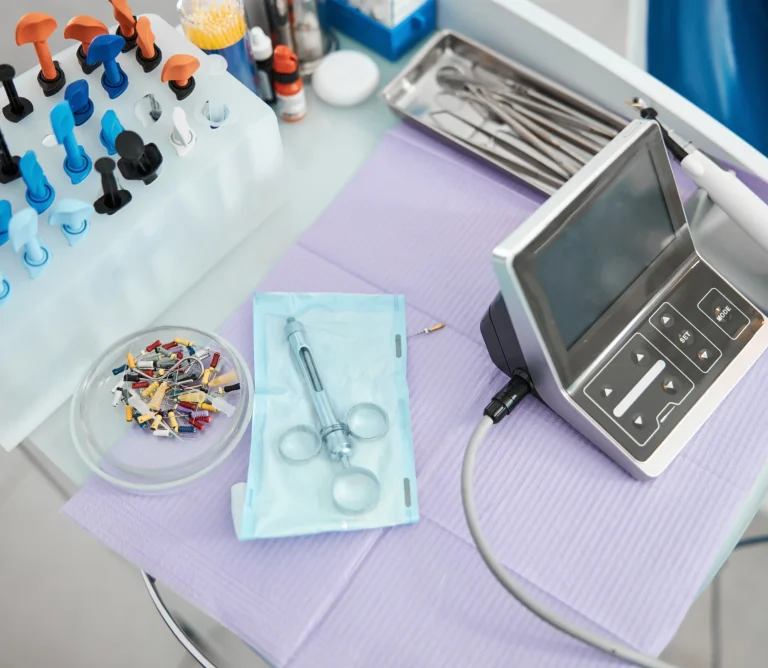
The point of using current technology isn’t the technology itself. It’s that better images and better records let us tell you what we see, what it means, and what your options are with more precision. When you can see your own X-ray, when you can watch the camera move across the crack in your molar, when you can compare last year’s image to today’s, you’re in a much better position to make a real decision about your care.
That matters more when cost is part of the picture. We’re not going to recommend a crown because the image looked dramatic on the screen. We’ll recommend a crown when the tooth needs one, show you why, and tell you what happens if you wait six months instead. If you’d rather start with a filling and see how it holds, we’ll tell you whether that’s reasonable. The tools give us better information. What we do with that information is the part that earns trust.
If you want to read more about how our general care fits together, our pages on family dentistry in Chattanooga TN and digital x-rays in Chattanooga TN cover the day-to-day work, and you can learn more about Dr. Joseph Rollings DDS Chattanooga TN if you want some background on his training.
See What We See, on the Same Screen
Schedule a visit at Wilcox Family Dental and we’ll walk you through your X-rays and camera images together, in plain language, before we recommend anything. Call us or request an appointment online.