
Dental Fillings in Chattanooga, TN
When a cavity shows up on an X-ray, you deserve to see it, understand what it means, and know what your options are before anything gets scheduled. Dr. Joseph Rollings handles fillings the same way he handles every conversation at Wilcox Family Dental: with the X-ray pulled up, the intraoral camera image on the screen, and a plain explanation of what we’re looking at.

What to Know About Dental Fillings in Chattanooga TN
Dental fillings in Chattanooga TN are one of the most common procedures we do, and also one of the most over-explained and under-explained at the same time. Patients usually leave other offices knowing they have a cavity but not knowing why, how big it is, or whether they had any choice in the material that ended up in their tooth. We do it differently. Before we pick up an instrument, you’ll see the decay on the intraoral camera and on your digital X-ray, and you’ll hear the reasoning behind the filling we’re recommending.
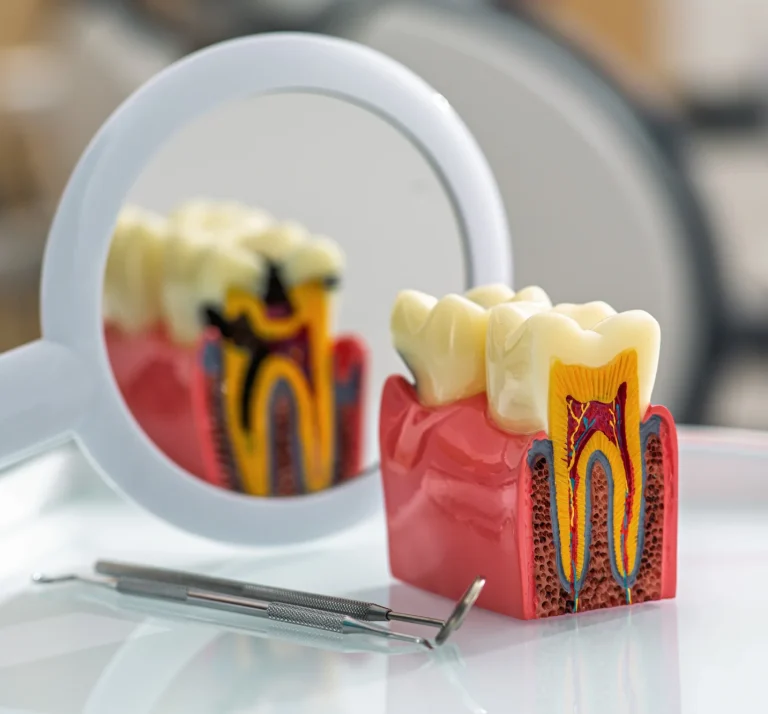
A filling is, in plain terms, what we use to rebuild a tooth after we remove decay or repair a small fracture. The goal is straightforward: stop the decay from going further, restore the shape and function of the tooth, and seal it so bacteria can’t get back underneath. Done well, a filling buys you years before that tooth needs anything else. Done poorly, or done too aggressively when a tooth didn’t really need it yet, it can shorten the life of the tooth.
Wilcox Family Dental serves families across Chattanooga, East Ridge, Red Bank, Hixson, Soddy-Daisy, and Signal Mountain. Whether this is your first filling or your fifteenth, we’ll tell you what we see, what it means, and what your options are, including the option to do nothing yet when that’s reasonable.
How a Tooth-Colored Filling Is Placed, Step by Step
Most of the fillings we place at Wilcox Family Dental are composite resin, which is the tooth-colored material you’ve probably heard called a “white filling.” The process is usually a single visit and takes between thirty minutes and an hour depending on the size and location of the cavity. We numb the area with local anesthetic first, and we wait until you’re actually numb before we start. If you tell us you’re still feeling something, we stop and add more. That’s not a negotiation.
Once you’re comfortable, we remove the decayed portion of the tooth and clean the area. The remaining tooth structure gets etched and prepped so the composite will bond to it chemically, not just sit on top of it. The composite is placed in thin layers, each one cured with a small light before the next layer goes in. After the final layer, we shape the filling to match the contours of your tooth, check your bite with articulating paper, and adjust until it feels right when you close.
Before you leave, we’ll tell you what to expect for the next day or two. Some sensitivity to cold or to pressure is normal, especially if the cavity was deep. If it’s still bothering you after a couple of weeks, we want to know, because it usually means the bite needs a small adjustment, which takes about five minutes and no numbing.
When a Filling Is the Right Call, and When It Isn't
Not every dark spot on a tooth needs a filling, and not every cavity needs a filling today. Small areas of demineralization, the early stage before a true cavity forms, can sometimes be remineralized with fluoride and better home care. If that’s where you are, we’ll tell you, and we’ll watch it at your next visit instead of drilling on a tooth that didn’t need it yet.
On the other end, there are cavities that have gone too far for a filling to be the right answer. If decay has reached the nerve, you’re looking at root canal therapy, not a filling. If too much of the tooth structure is gone, a filling won’t have enough healthy tooth to bond to, and you’re better off with an inlay, an onlay, or a crown. We’ll show you the image, point to what we’re seeing, and explain why a filling would or wouldn’t hold up in that specific tooth.
If you’re somewhere in the middle, a cavity that’s clearly a cavity but not an emergency, a composite filling is usually the most conservative choice. We’d rather catch decay at the filling stage than wait until it becomes a bigger restoration. That’s part of why we recommend keeping up with regular dental exams and cleanings, even when nothing hurts.
What's Included When You Come In for a Filling
Your filling appointment includes a focused look at the tooth, updated digital X-rays if we need them, the intraoral camera images so you can see what we’re seeing, the local anesthetic, the composite material itself, the placement, and the bite check at the end. If you have insurance, we’ll run an estimate before we start so you know what your out-of-pocket portion looks like. If you don’t, we’ll quote you in writing the same way.
If a filling turns into something bigger once we get in there, which occasionally happens when decay has spread further than the X-ray suggested, we stop and talk to you before we keep going. You won’t find out about a change in plan from the front desk on your way out. You’ll hear it from Dr. Rollings in the chair, with the option to pause, ask questions, or reschedule the larger procedure for another day.
We also use this visit as a chance to point out anything else we’re watching. A small crack on a back molar, an old filling that’s starting to fail at the margin, early gum recession on one side. We won’t pressure you to fix any of it today. We’ll just tell you it’s there and what it could mean down the road.
Insurance, Medicaid, and Payment Options for Fillings
Fillings are one of the procedures most commonly covered by dental insurance, often at a higher percentage than crowns or specialty work. Wilcox Family Dental accepts Medicaid and all major insurance providers, and we’ll verify your benefits before your appointment so the estimate we hand you reflects your actual plan, not a guess.
If cost is part of how you make decisions about care, say so. We’ll give you a written estimate before we start anything, not after. For patients who need to spread the cost out, we work with CareCredit, Cherry, and QuickPay, and our team can walk you through the options without pressure. If a treatment plan includes several fillings, we can often sequence them to fit your budget instead of doing everything in one visit.

What a Well-Placed Filling Buys You
A filling done carefully on a tooth that genuinely needed one can last a decade or longer with normal brushing, flossing, and routine checkups. That’s not a guarantee, because outc.webpomes depend on bite forces, hygiene, diet, and whether you grind at night, but it’s a reasonable expectation for most patients. If you do grind, we’ll talk about a nightguard, because grinding is one of the fastest ways to wear down composite.
The bigger value of catching decay at the filling stage is what it prevents. A small cavity filled today is a tooth that doesn’t need a root canal, a crown, or an extraction five years from now. The math of dentistry tends to work in favor of doing the smaller thing sooner, both for your tooth and for your wallet.
If it’s been a while since your last visit and you’re not sure where things stand, that’s fine. We’ll start with what’s bothering you, work backward from there, and put together a plan you actually agree with. You can read more about our approach on our restorative dentistry overview, or learn about related options like crowns and bridges and inlays and onlays if a filling isn’t going to be enough.
Get a Straight Answer About That Tooth
If something’s catching when you floss, sensitive to cold, or just looks different than it used to, schedule a visit with Dr. Rollings. We’ll show you the image, explain what we see, and quote it in writing before anything gets scheduled.