
Crowns and Bridges in Chattanooga, TN
When a tooth is too damaged for a filling, or a missing tooth is starting to affect the ones around it, a crown or bridge is usually the conversation. We’ll walk through what we see, what it means, and what your options are before anything gets scheduled.
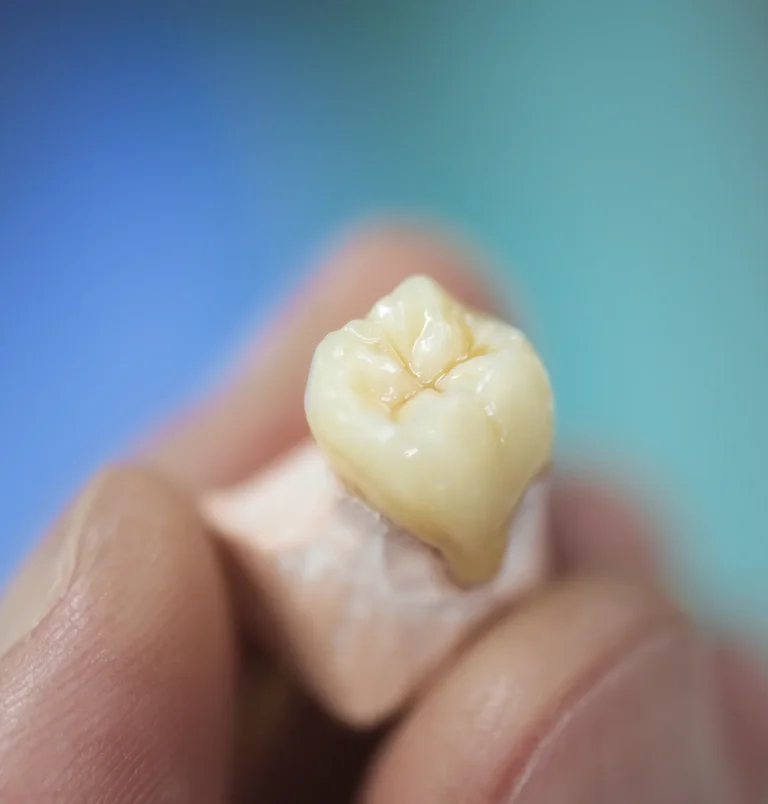
What a Crown or Bridge Actually Does
Crowns and bridges are two of the most common restorations in general dentistry, and at Wilcox Family Dental we place them for patients across Chattanooga, East Ridge, Red Bank, Hixson, Soddy-Daisy, and Signal Mountain. If you’re researching Crowns and Bridges in Chattanooga TN, you’re probably dealing with one of three things: a tooth that cracked, a large filling that’s failing, or a gap where a tooth used to be. Each of those situations has more than one path forward, and we’ll talk through them with you.
A crown is a full-coverage cap that goes over a single tooth. It’s used when there isn’t enough healthy structure left for a filling to hold, or when a tooth has cracked, had a root canal, or worn down to the point of weakness. A bridge is a row of connected crowns: two anchored on healthy teeth on either side of a gap, with one or more replacement teeth fused between them.
Both are restorations you can chew on. Both are designed to last for years with normal care. Dr. Rollings will tell you what he’d choose for his own family in your situation, and he’ll tell you what happens if you decide to wait.
How a Crown or Bridge Gets Made and Fitted
The first visit is mostly about preparation. For a crown, we reshape the tooth so the cap can fit over it without being bulky or interfering with your bite. For a bridge, we do the same to the two anchor teeth on either side of the gap. We take impressions, choose a shade that matches the teeth around it, and place a temporary while the lab builds the final restoration.
We work with leading local labs in the Chattanooga area, and we use digital X-rays and intraoral cameras to share exactly what we’re seeing. If there’s a hairline crack running down the side of a molar, you’ll see it on the screen with us. None of this is for show; it’s how we make sure you and Dr. Rollings are looking at the same thing when you make a decision about whether to crown a tooth or try something less involved first.
The second visit is the fit. We remove the temporary, check the shape and color of the permanent restoration, adjust the bite, and cement it in place. Most patients are numb for the prep visit and don’t need anesthesia for the seat. You leave with a tooth that looks and functions like a tooth.
When a Crown Makes Sense, and When a Bridge Is the Better Call
A crown is the right answer when the tooth is still there but compromised. Common reasons: a large old filling that’s breaking down, a fracture line through the enamel, a tooth that’s had a root canal and needs full coverage to prevent splitting, or significant wear from grinding. In some of those cases an inlay or onlay is an option instead, and we’ll tell you when that’s worth considering rather than going straight to a full crown.
A bridge is for when the tooth is gone. If you’ve lost a molar and the teeth on either side are healthy, a bridge can fill the gap, restore chewing on that side, and keep the neighboring teeth from tipping into the space. It’s a fixed restoration: it doesn’t come out, you brush it like normal teeth, and you floss under it with a threader or a water flosser.
Bridges aren’t the only way to replace a missing tooth, and we’ll be honest about the tradeoffs. A bridge uses the two adjacent teeth as anchors, which means those teeth get reshaped. That’s fine if they already need crowns. If they’re untouched and healthy, a different replacement option may be worth a conversation. We’ll lay out what we see and what your options are, and you decide.
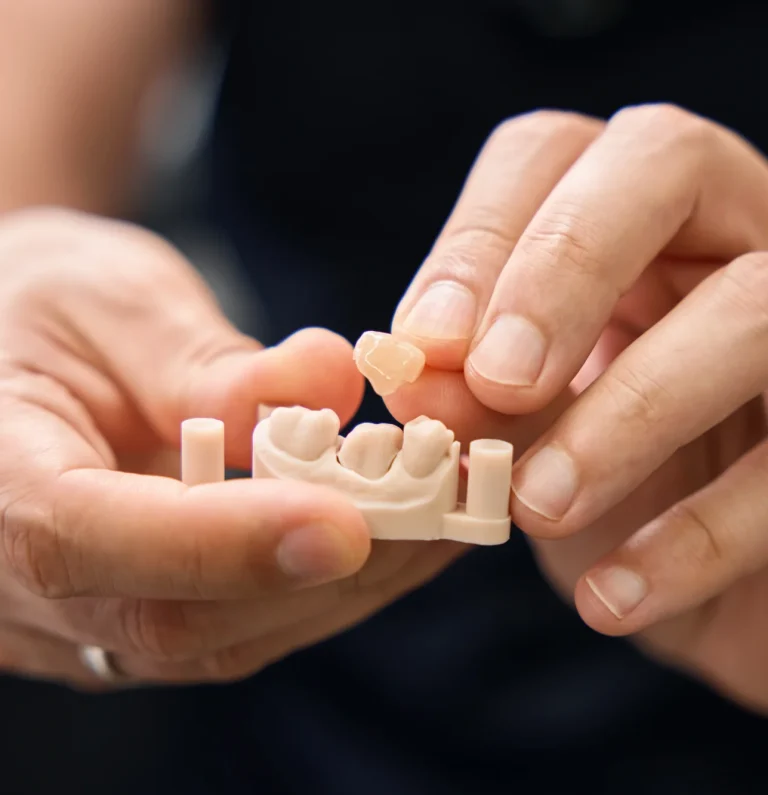
What's Included When You Come In for a Crown or Bridge
Every crown or bridge case at Wilcox Family Dental starts with a real exam, not a quote over the phone. We use digital X-rays and a panoramic machine in-house, and we’ll look at the tooth, the bite, the surrounding gum tissue, and the teeth on the opposite arch. Sometimes a tooth that looks like it needs a crown actually needs a root canal first. Sometimes a tooth that’s been hurting for months is fine and the pain is coming from somewhere else. We want to know before we recommend anything.
Once we’ve talked through the plan, you get a written estimate before we start. If you’ve told us cost is part of how you make decisions, we’ll go through what insurance is likely to cover and what your out-of-pocket would be on each option. We’d rather have that conversation up front than surprise you at checkout.
The treatment itself is typically two visits spaced a couple of weeks apart while the lab fabricates the final piece. If a crown cracks off before a trip or a temporary comes loose over a weekend, call us. We’ll work you in.
Insurance, Medicaid, and Payment Options for Crowns and Bridges
Most dental insurance plans cover a portion of crowns and bridges when they’re recommended for a clinical reason, which they usually are. Coverage levels vary widely: some plans pay 50%, some pay more, and most have an annual maximum that a crown can use up quickly. We accept Medicaid and all major insurance providers, and we’ll verify your benefits before treatment so you know what to expect.
If you’re paying out of pocket or your insurance only covers part of the cost, we offer financing through CareCredit, Cherry, and QuickPay. Those let you spread payments over months rather than handling the full balance at once. We’ll give you the numbers in writing so you can compare them at the kitchen table instead of in the chair.
If cost is the reason you’ve been putting off a cracked tooth or a missing one, tell us. There’s almost always more than one path, and waiting often turns a crown into something bigger.
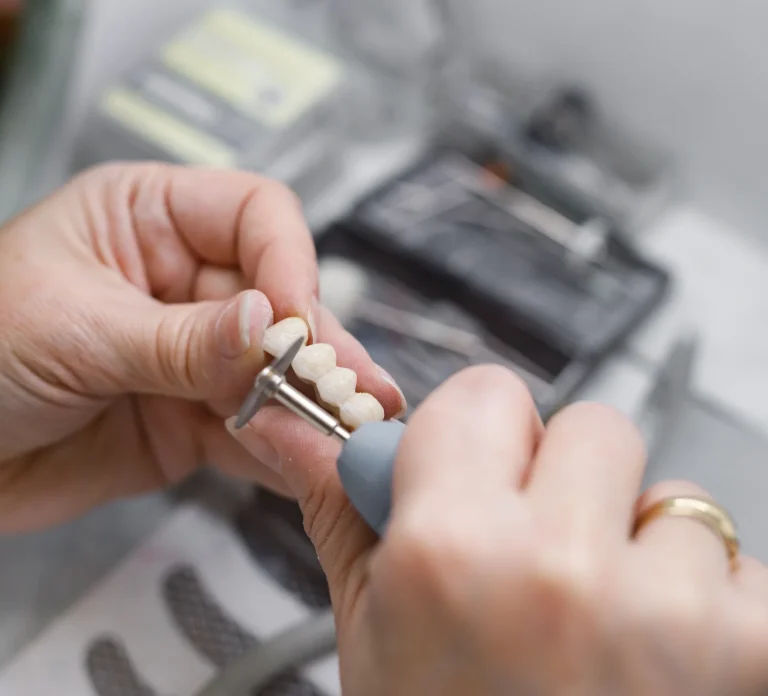
How Long Crowns and Bridges Last and Why That Matters
A well-made crown or bridge, cared for like the rest of your teeth, is designed to last for many years. Outc.webpomes vary based on your bite, your hygiene habits, whether you grind at night, and the health of the gum and bone underneath. Patients who wear a nightguard when they need one, keep up with cleanings, and floss around the bridge tend to get the longest service out of the restoration.
The reason this matters: a crown isn’t just a cosmetic fix. It protects a tooth that would otherwise keep cracking until it can’t be saved. A bridge keeps neighboring teeth from drifting and keeps your bite stable. Both of those are quieter wins than a brand-new smile photo, but they’re the reason restorative dentistry exists in the first place.
If you want to read more about how this fits into the bigger picture, our restorative dentistry overview covers how crowns, fillings, and other repairs work together, and our family dentistry page explains how we handle routine care for the whole household.
Get a Straight Answer on Your Tooth
Bring us the cracked molar, the failing filling, or the gap you’ve been ignoring. We’ll look at it together, explain what we see, and give you a written estimate before any treatment is scheduled.