
Dental Bonding in Chattanooga, TN
Bonding is one of the simplest ways to fix a chipped, worn, or oddly shaped tooth without committing to a crown or veneer. Most cases finish in a single visit, and Dr. Rollings will tell you up front whether bonding is the right tool for what you’re trying to accomplish.
What Bonding Actually Does and When It Makes Sense
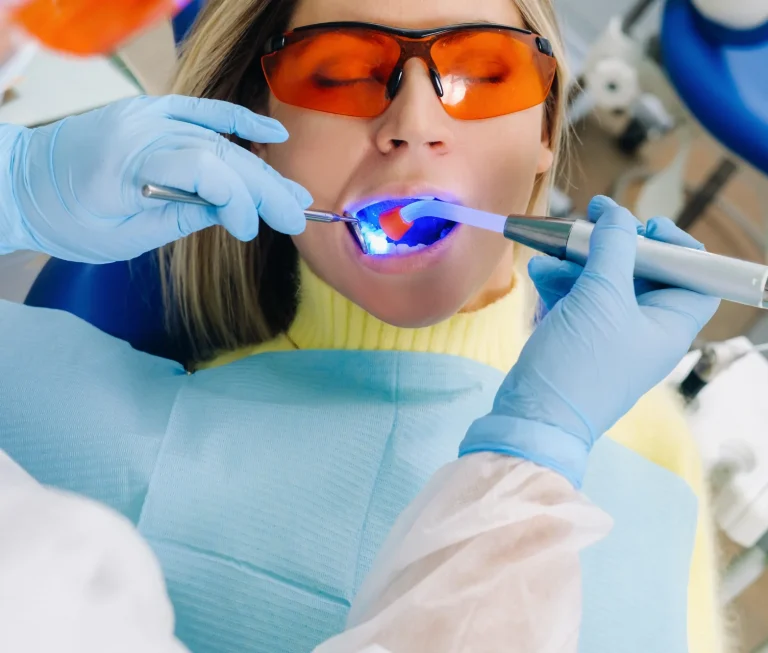
Dental Bonding in Chattanooga TN is a procedure where Dr. Rollings shapes a tooth-colored composite resin directly onto your tooth, hardens it with a curing light, and polishes it so it blends in. It’s the same family of material we use for white fillings, used here for cosmetic and minor structural repairs. No lab, no temporary, no second appointment.
Bonding is a good fit for small chips, short or uneven teeth, gaps between front teeth that aren’t large enough to need orthodontics, and exposed root surfaces where the gum has receded. It’s not the right tool for every case. If a tooth is heavily worn, badly cracked, or already missing a lot of structure, we’ll explain why a crown or veneer would hold up better over time.
We see patients for bonding from across Chattanooga, East Ridge, Red Bank, Hixson, Soddy-Daisy, and Signal Mountain. Some come in after years of looking at the same chipped front tooth in photos. Others are referred from a hygiene visit where we noticed a worn edge and suggested it. Either way, the conversation starts with what’s bothering you, not with a sales pitch.
How Composite Bonding Is Placed on a Tooth
The appointment is straightforward. We start with an intraoral camera image of the tooth so you can see what we see, on the same screen, before we touch anything. If we’re closing a small gap or reshaping an edge, we’ll often show you a preview on the image and talk through how much resin we’re adding and where.
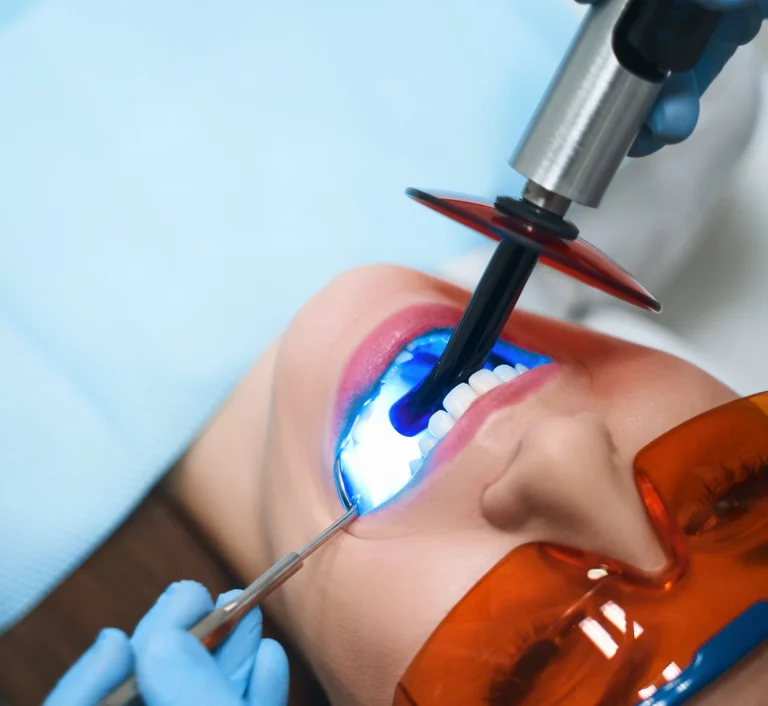
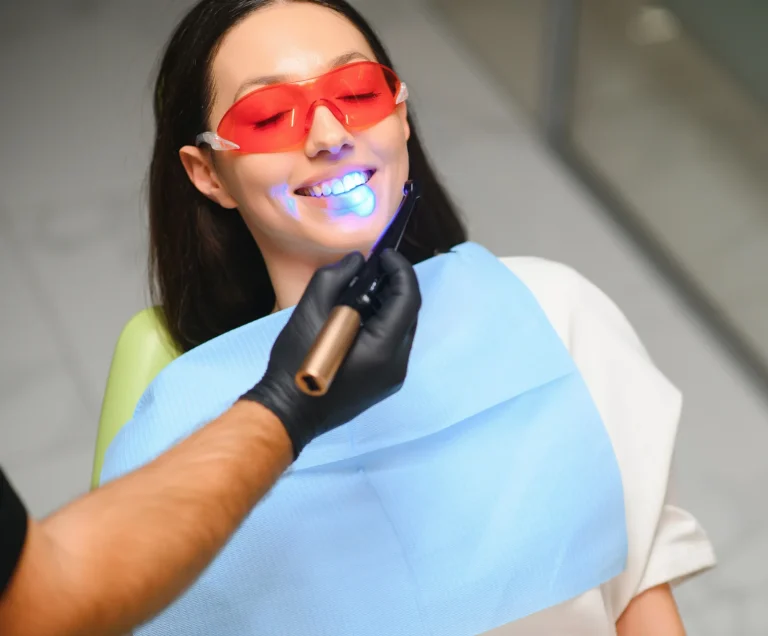
Most bonding cases don’t require anesthesia. If we’re working on an area near the gumline or on a sensitive tooth, we’ll offer numbing, but for a simple chip on an enamel surface, you usually don’t need it. We lightly etch the tooth, apply a bonding agent, and then place the composite in layers. Each layer is cured with a blue light that hardens it in seconds.
Shaping is the part that takes the most time and skill. Dr. Rollings builds the contour by hand, checks how it meets the neighboring teeth, has you bite down to confirm it isn’t hitting your other teeth wrong, and then polishes the surface so it reflects light the way enamel does. Done well, you shouldn’t be able to point to where the bonding starts and the tooth ends.
Plan on roughly 30 to 60 minutes per tooth, depending on how much we’re changing. Two front teeth being reshaped at once is still typically a single visit.
Where Bonding Fits Compared to Veneers, Crowns, and Whitening
Patients often ask whether they should do bonding or porcelain veneers. The honest answer depends on how many teeth are involved, how much wear is present, and how long you want the result to last. Bonding is less expensive, can usually be done without removing healthy tooth structure, and is repairable if it chips. Veneers cost more, last longer, and resist staining better, but they’re a bigger commitment because they typically require some enamel reduction.
If a tooth is cracked through, has a large old filling failing around it, or has had a root canal, bonding isn’t enough. That’s a crown conversation. We’ll show you the X-ray and the camera image and explain what we’re seeing and why a bonded repair wouldn’t hold up under bite forces in that spot.
One more sequencing note: if you’re considering whitening, do it first. Composite resin doesn’t bleach the way natural enamel does, so we match the bonding shade to your teeth after they’ve reached the color you want. Otherwise the bonded area will look darker than the rest of your smile six months later.
What's Included When Dr. Rollings Bonds a Tooth
Every bonding appointment at Wilcox Family Dental starts with a short exam of the tooth and the bite around it. We use digital X-rays and intraoral camera images when they help clarify what’s going on under or behind the area we’re repairing. If we find something that changes the recommendation, we tell you before we start, not after.
Included in the visit: shade matching against your existing teeth, isolation of the tooth to keep the bonding surface clean and dry, placement and curing of the composite, bite adjustment, and final polish. We also walk you through care at home so the repair lasts. Composite holds up well to normal eating, but biting fingernails, chewing ice, or using your front teeth to open packaging is what usually shortens its life.
If bonding chips down the road, it’s repairable. We can usually add to it or refinish it in a short follow-up visit rather than redoing the whole thing. We’ll tell you at the appointment what to watch for and when to come back in.
What Dental Bonding Costs and How Insurance Treats It
Cost depends on the tooth, how much composite is needed, and whether the work is being done for cosmetic reasons or to repair damage. Bonding done to restore a chipped or broken tooth is often covered at least partially by insurance, similar to how a filling is covered. Purely cosmetic bonding (closing a gap on otherwise healthy teeth, for example) is typically not covered. We’ll tell you which category your case falls into before we schedule the work.
Wilcox Family Dental accepts Medicaid and all major insurance providers. We’ll run your benefits ahead of time and give you a written estimate of what your portion is expected to be. If cost is part of how you make decisions about care, say so. We’d rather have that conversation up front than surprise you at checkout.
For patients without insurance or with cosmetic work that isn’t covered, we offer financing through CareCredit, Cherry, and QuickPay. None of these are required. They exist so you can spread the cost out if that helps.
How Long Bonding Lasts and Why People Choose It
Composite bonding generally lasts somewhere between five and ten years before it needs to be refreshed or replaced, though outc.webpomes vary based on your bite, your habits, and how the tooth is used. Patients who grind their teeth or chew on hard objects wear through it faster. A nightguard helps in that case, and we can talk through that during your visit.
What makes bonding worth considering is the ratio of cost and reversibility to result. You’re usually not drilling into healthy enamel. You can change your mind later and move to veneers if you want a longer-term solution. And for a single chipped front tooth or a small gap, it often gives you a result that’s hard to distinguish from the work of a more invasive treatment.
If you’ve been putting off fixing a tooth because you assumed it would mean a crown or veneers, bonding is worth asking about. We’ll look at the tooth with you, tell you what we see, what it means, and what your options are, including the option to do nothing yet.
Ready to Talk Through Your Options
Book a consultation with Dr. Rollings to look at the tooth together and get a written estimate before any work begins. We see patients from Chattanooga, East Ridge, Red Bank, Hixson, Soddy-Daisy, and Signal Mountain.